
Gold has long been regarded as a safe haven and a popular investment asset for traders worldwide. With its unique characteristics and ability to act as a hedge against inflation and economic uncertainty, trading gold requires a specialized approach. In this article, we will explore how to trade gold like a pro, delving into the techniques, market analysis methods, and risk management strategies that can help traders navigate the dynamics of the gold market. Whether you’re a beginner or an experienced trader, understanding the nuances of trading gold can provide valuable opportunities in this precious metal market.
Why Trade Gold?
Trading gold offers several advantages that attract traders worldwide. Gold is considered a safe haven asset, sought after during times of economic uncertainty, inflation, or geopolitical instability. Its historical value and global recognition make it a reliable store of wealth. Additionally, gold has a relatively low correlation with other financial assets, providing diversification benefits to a portfolio. Its liquidity and accessibility through various financial instruments make it an appealing choice for traders looking to capitalize on price movements and potential profit opportunities.
Fundamental Factors and Technical Analysis
Factors such as central bank policies, economic data, interest rates, inflation, and geopolitical events significantly impact the gold market. Traders should closely monitor these factors and analyze their potential implications on gold supply and demand dynamics. Additionally, investor sentiment, market expectations, and shifts in risk appetite can influence gold prices as well.
Technical analysis plays a vital role in gold trading by identifying patterns, trends, and potential price reversals. Traders can utilize various technical indicators, chart patterns, and oscillators to assess market sentiment, support and resistance levels, and momentum. Commonly used technical tools in gold trading include moving averages, Fibonacci retracements, trendlines, and oscillators like the Relative Strength Index (RSI) or Stochastic Oscillator.
Identifying Gold Price Patterns and Trends
Gold exhibits specific price patterns and trends that traders can capitalize on. These patterns include breakouts, reversals, consolidation phases, and trending markets. By recognizing these patterns, traders can make informed decisions regarding entry and exit points, risk management, and profit targets. Trend identification is particularly important in gold trading, as it can provide valuable insights into the underlying market sentiment and potential long-term price movements.
Utilizing Support and Resistance Levels
Support and resistance levels are crucial tools for identifying key price levels at which gold may encounter buying or selling pressure. Traders can use these levels to determine entry and exit points, set stop-loss orders, and assess a trade’s potential risk and reward. Breakouts above resistance or bounces off support can indicate significant price movements, and traders often look for confirmation signals to validate potential trading opportunities.
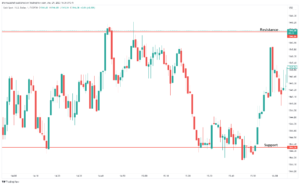
Image 1. Support and resistance levels on the gold chart.
News and Market Events Impacting Gold Prices
Economic data releases, central bank announcements, geopolitical developments, and global macroeconomic trends can all have a significant impact on gold prices. Traders need to stay informed about upcoming events, monitor news sources, and assess the potential implications on gold market dynamics. By understanding the relationship between news and gold price movements, traders can react effectively and take advantage of market opportunities.
Intermarket Analysis and Seasonal Patterns
As gold is priced in US dollars, changes in the value of the US dollar can influence gold prices. A weaker US dollar typically leads to higher gold prices, as it takes more dollars to purchase an ounce of gold. Traders should analyze the inverse correlation between gold and the US dollar and consider the impact of currency fluctuations when trading gold.
Historically, gold has exhibited certain seasonal trends, influenced by factors such as jewelry demand, festivals, and cultural events. For example, increased gold demand during wedding seasons in certain regions can impact prices. Traders can study past seasonal trends and consider them as additional factors in their trading decisions.
Risk Management Strategies and Position Sizing
Traders should establish clear risk parameters, such as determining the maximum acceptable loss per trade or overall portfolio. Implementing appropriate position sizing techniques, such as allocating a percentage of the trading account to each trade, can help manage risk exposure. Additionally, using trailing stop-loss orders to protect profits and adjusting stop levels as the trade progresses can help secure gains and minimize potential losses.
Traders should carefully determine the appropriate position size based on their risk tolerance and account size. This involves considering factors such as the distance to the stop-loss level, volatility, and potential risk-reward ratio of the trade. Stop-loss placement is equally important, as it defines the point at which the trade will be automatically exited to limit losses. Placing stop-loss orders above or below key support or resistance levels can help protect capital and reduce the risk of adverse price movements.
Diversification and Portfolio Allocation
Incorporating gold into a diversified portfolio can provide stability and act as a hedge against market volatility. Traders can allocate a portion of their portfolio to gold to reduce overall risk exposure and balance their investments. Gold’s low correlation with other financial assets can help cushion the impact of market downturns and provide a potential source of capital preservation during turbulent times. Assessing the appropriate allocation to gold based on individual risk profiles and investment goals is crucial.
Leveraging Gold Options and Gold CFDs
Gold options and Contracts for Difference (CFDs) are alternative instruments that allow traders to speculate on gold price movements without owning the underlying asset. Options provide the right, but not the obligation, to buy or sell gold at a predetermined price within a specified time frame. CFDs, on the other hand, are derivative products that mirror the price of gold, allowing traders to profit from both rising and falling prices. Traders should be aware of the risks associated with leverage and understand the mechanics of options and CFDs before trading these instruments.
Developing a Gold Trading Plan and Strategy
A well-defined trading plan and strategy are crucial for consistent success in gold trading. Traders should outline their trading goals, define entry and exit criteria, and establish risk management guidelines. The plan should consider factors such as timeframes, market analysis techniques, and preferred trading instruments. By adhering to a trading plan and strategy, traders can maintain discipline, avoid impulsive decisions, and increase their chances of achieving their trading objectives.
Malay News Desk