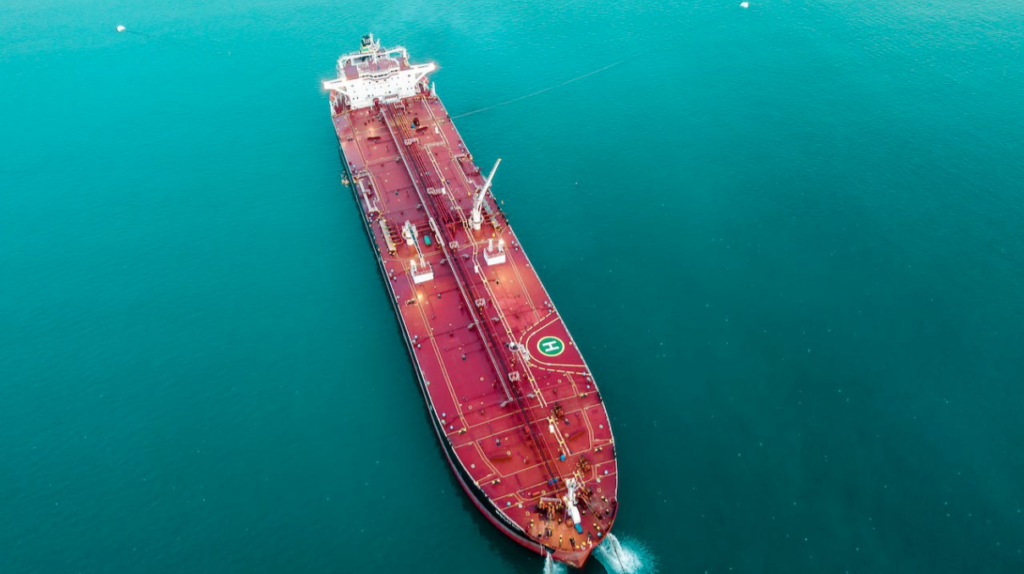
Singapore imports all its oil and natural gas from various countries as the landscape doesn’t support the drilling of hydrocarbons. However, the city-state is still actively involved in the oil and natural gas industry beyond consumption. This is mainly through Floating Production Storage and Offloading (FPSO) installations, which play a key role in harvesting natural resources from deep water wells and creating oil and gas jobs.
So, without owning or operating any of these installations, how is Singapore still a central figure in the industry?
Central Maritime Gateway
One of the main things that plays in Singapore’s favor is that it is strategically located. The country sits at the crossroads of major shipping routes in Southeast Asia, and it therefore works as a great point for connecting the Indian and Pacific oceans. This makes it perfect for FPSO operations as vessels can easily access Southeast Asia and other countries exploring offshore oil and gas reserves.
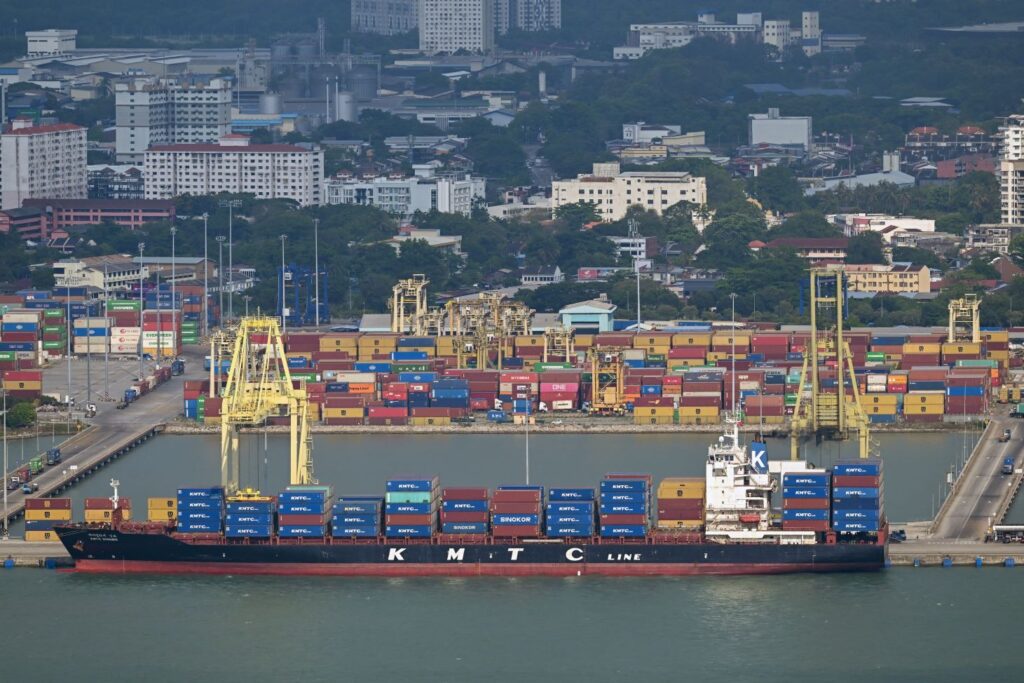
But besides the location, Singapore has also gone to great lengths to establish the supporting infrastructure in its harbors. The country has created dedicated terminals that cater specifically to FPSOs. These are equipped with things such as heavy-lifting equipment, specialized tools, and waste disposal facilities to handle the unique needs of the vessels. And on top of that, there’s a well-developed logistics network that ensures that all vessels, as well as the required materials, equipment, and personnel, move efficiently.
Engineering and Technological Expertise
Being a country only bordered by water, Singapore is inclined towards maritime expertise. This is clearly illustrated by the country being home to leading FPSO engineering and construction companies like Keppel Offshore & Marine and Sembcorp Marine. These companies provide world-class maritime expertise and have vast experience and expertise in designing, building, and upgrading FPSOs.
To achieve these levels of expertise, the government has been actively involved in funding research and development for the maritime and energy sectors. There are also research institutions such as iAgency for Science, Technology and Research (A*STAR) and the Maritime and Port Authority of Singapore (MPA) that actively research FPSO technologies. Alongside the country’s top institutions, these have ensured a superb ecosystem for developing and nurturing the engineering and technological expertise required.
World-Class Shipbuilding and Repair Facilities
Singapore is globally known for its state-of-the-art infrastructure, and this extends to the FPSO industry. The country has been proactive in stationing itself as an FPSO center since the 90s, which has been done through lots of investment. Today, it has world-class infrastructure to facilitate the building of ships, repair equipment, and equipment needed by FPSOs to drill and process hydrocarbons.
Singapore’s shipyards are known for their advanced technology, most of which is purpose-built for FPSO construction and repair. But beyond the technical infrastructure, the country has also incorporated its net-zero carbon vision in the FPSO infrastructure. This means that it minimizes the ecological footprint of its FPSO activities, something that is actively being driven across the world.
Financial and Legal Hub for FPSO Activities
Singapore is a well-established global finance center, which means that it attracts a huge pool of financial institutions. The country is rich in project finance, asset finance, and trade finance professionals, and this extends to FPSO projects. The city-state therefore offers a wide range of financing options for companies dealing with FPSO projects.
Besides that, Singapore is home to lots of law firms that specialize in maritime and energy law. This means that companies have easy access to expertise in FPSO-related contracts, licenses, and regulatory compliance. This is then supported by a clear and stable regulatory framework and a stable political climate, which further boosts the country’s hold in the FPSO industry.