DECEMBER 12 — When most of us sit on the dental chair, we assume that the dentist simply looks into our mouth, spots the problem, and fixes it.
Simple, right? In reality, it is much more complex. Diagnosing oral diseases, especially in their earliest stages, takes years of training and a very sharp eye.
A tiny shadow, a faint line, or a subtle change in colour may be the first sign of a problem.
If detected early, it might only require a simple filling. If missed, it could progress into a more painful and costly treatment.
Traditionally, dental students learn through in-person visual examinations. They work closely under the supervision of specialists, looking directly into patients’ mouths while being guided step by step in recognising dental problems.
This method is invaluable because it provides immediate teaching and feedback. However, it also has its limitations.
Not every clinic encounters the same range of cases, not every student has equal exposure, and those training in rural areas may not always have access to specialist supervision.
This is where digital clinical photography changes the game and why Universiti Malaya is taking the lead in using it.
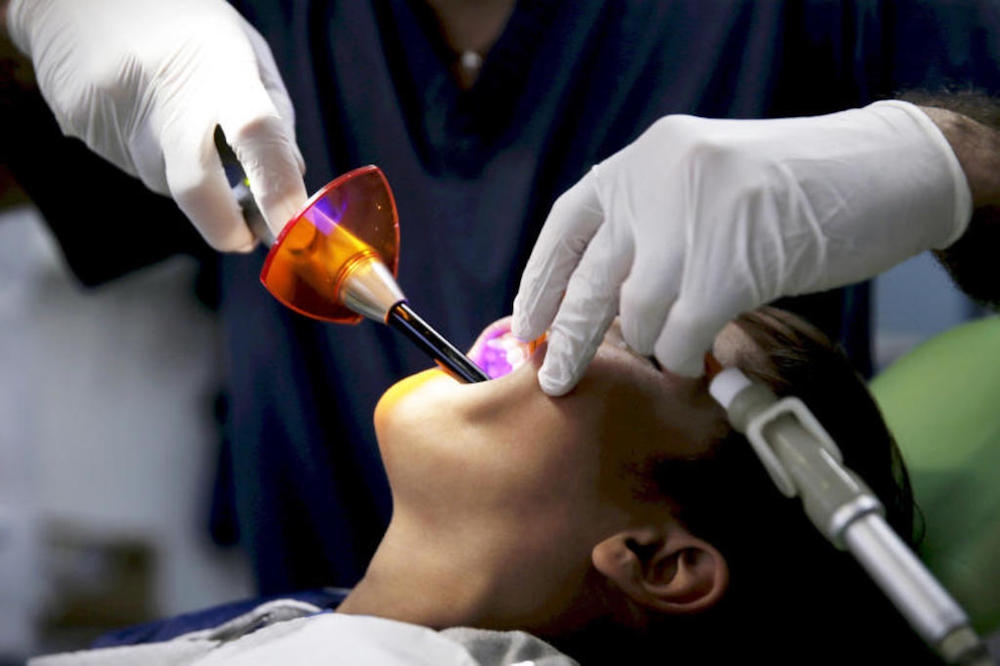
Traditionally, dental students learn through in-person visual examinations. They work closely under the supervision of specialists, looking directly into patients’ mouths while being guided step by step in recognising dental problems. — Reuters pic
Research, including studies from the Faculty of Dentistry at Universiti Malaya (UM), shows that high quality dental photographs can be just as effective as seeing a patient in person when detecting many oral diseases.
A clear image can reveal the same fine details such as pits, spots, or colour changes that dentists rely on for diagnosis. Imagine if every dental student, whether studying in Kuala Lumpur or practising in a rural clinic in Sabah, had access to the same library of dental images.
This would allow all trainees to practise spotting the same conditions, rather than depending on chance encounters in the clinic.
The result is fairer, more consistent training across the country. Malaysia’s oral health services are unevenly distributed. Rural and remote clinics often lack specialists.
With digital photography, however, a dental therapist in a kampung clinic can capture a case on a smartphone, send it to a specialist hundreds of kilometres away, and receive guidance almost instantly.
Patients benefit, because they get faster, more accurate diagnosis. Dental professionals benefit too, gaining confidence and improving their skill through real-time feedback. Over time, this strengthens the quality of care nationwide.
One exciting new research project currently underway at the Faculty of Dentistry, Universiti Malaya is called Enamel Detective.
The initiative is led by Dr Tengku Nurfarhana Nadirah Tengku Hamzah together with her research team, which includes Assoc Prof Dr Nor Azlida Mohd Nor and Dr Nur Nasuha Mohd Daud.
Still under development, Enamel Detective is an online training programme designed to help dentists and dental professionals as well as dental students diagnose enamel defects with greater accuracy.
The platform combines high-quality dental photographs, evidence-based short notes, quizzes, and interactive case studies. This structured approach allows learners to practise repeatedly in a safe environment, receive immediate feedback, and apply their knowledge directly in their clinics.
Enamel defects are more than cosmetic concerns. In children, they can make teeth weaker, cause sensitivity, and increase the risk of decay.
By helping dentists sharpen their eyes to spot these problems early, the Enamel Detective programme aims to reduce the need for painful or invasive treatments later in life.
The strength of this innovation lies in its simplicity. By using digital technology, it delivers consistent, structured training to dental professionals whether they work in large city hospitals or smaller rural clinics.
The goal is not to replace the dentist’s clinical skills, but to enhance them through technology, ensuring that early signs are not overlooked. This ongoing research reflects a broader vision: creating equitable access to high-quality training for all dentists in Malaysia.
By embracing tools like Enamel Detective, the country can take a major step forward in dental education and patient care.
Stronger diagnostic skills mean earlier detection, less pain, and healthier smiles especially for children, who stand to benefit the most from early intervention. And that is truly a future worth smiling about.
* Dr Tengku Nurfarhana Nadirah Tengku Hamzah and Associate Professor Dr Nor Azlida Mohd Nor are from the Faculty of Dentistry, Universiti Malaya and may be reached at [email protected]
** This is the personal opinion of the writer or publication and does not necessarily represent the views of Malay Mail.