MARCH 16 — Whether Hari Raya Aidilfitri falls on 20 or 21 March this year, many Malaysians are already looking forward to the balik kampung journey. I will be heading back to Kedah early myself. My wife and I are fortunate that both our families live in the same state.
Like many others, however, the drive home is something many dread at the same time. Traffic congestion has long been part of the festive season. In some ways, it almost feels like a national tradition.
Still, in an age of rapid technological progress, surely our journeys home can be made smoother and less stressful.
One of the biggest bottlenecks during festive travel is the toll plaza. Few motorists object to paying tolls if the highways are well maintained. The frustration comes when traffic slows to a crawl because vehicles have to queue at payment points.
Over the years, several solutions have been introduced. We have seen the evolution from Touch ’n Go cards to SmartTAG and RFID. Each has helped to some extent, but the basic problem remains: toll plazas inevitably slow traffic.
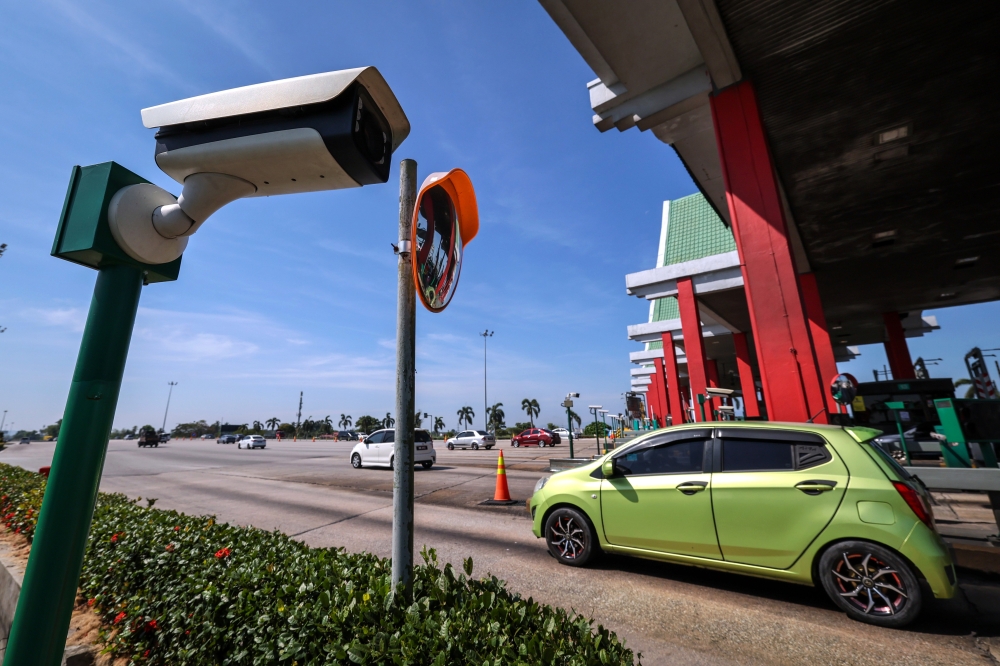
North-South Expressway users trial an open toll payment system based on Automatic Number Plate Recognition (ANPR) as PLUS Malaysia Berhad (PLUS) at the Hutan Kampung-Sungai Dua stretch at the Sungai Dua Toll Plaza on January 11, 2026. — Bernama pic
This may also explain why the government is pushing for Multi-Lane Fast Flow (MLFF). Barrierless tolling has been used successfully in places like Singapore for decades, and it is reasonable to think Malaysia may eventually move in that direction as well.
There have also been reports that PLUS Malaysia is trialling Automated Number Plate Recognition technology through the JustGO app in Kedah and Penang. If implemented well, systems like this could allow motorists to pass through toll areas more smoothly without being restricted to specific lanes.
As new solutions are introduced, however, three things will matter most: inclusiveness, clear communication and time for people to adapt.
Any new system should not impose additional costs on users beyond the toll itself. Motorists should also be given a choice of payment methods rather than being forced into a single option overnight.
Just as important is communication. New systems must be explained clearly so drivers understand what they need to do. At the same time, people, especially older users, should be given sufficient time and support to adapt to digital platforms.
Technology can certainly make festive travel easier. But smoother journeys will depend not only on infrastructure and innovation, but also on how carefully these changes are introduced.
After all, during the balik kampung rush, every minute saved on the highway means more time with family once we finally arrive home.
* This is the personal opinion of the writer or publication and does not necessarily represent the views of Malay Mail.