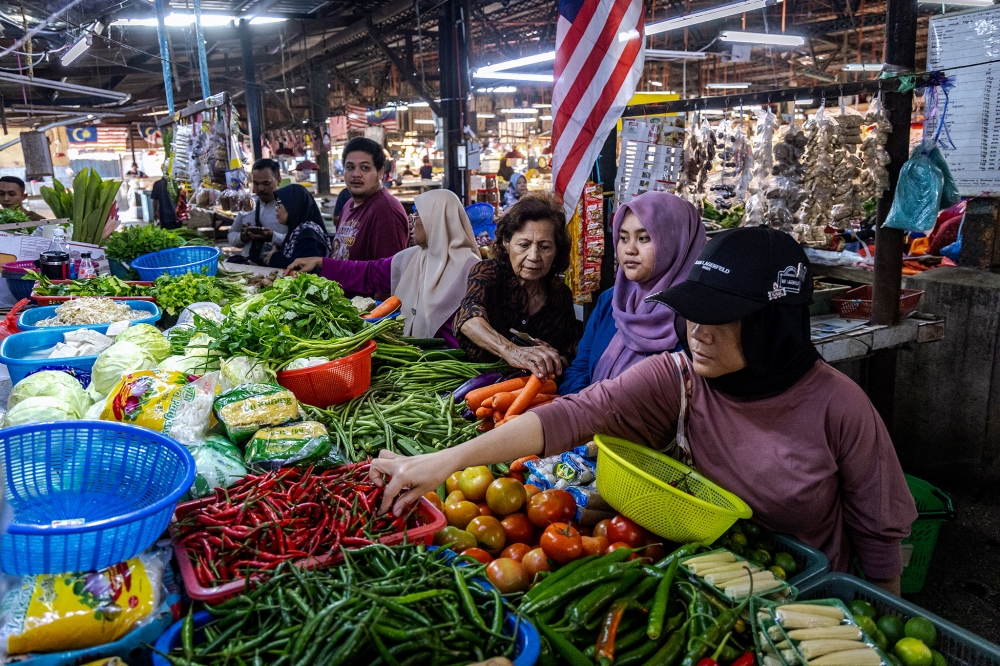
KUALA LUMPUR, March 28 — Vegetables staple to the Malaysian diet could soon take a bigger bite out of household budgets, with prices expected to rise as early as April as the war in West Asia disrupts global supply chains.
The impact may not be immediate, thanks to surplus deliveries ahead of Hari Raya Aidilfitri and government-imposed festive price controls.
At Pasar Dato Keramat, vegetable seller Romlah Nasir said she is still clearing stock delivered last Thursday.
“Our next delivery is later this week but we are currently managing with excess vegetables received before Hari Raya.
“We also cannot raise the prices of items like vegetables and coconut milk now because the government has enforced price controls until March 28 for Aidilfitri,” she said.
Malay Mail’s checks found vegetables such as sawi (mustard greens) generally priced between RM4 and RM6 per kg, tomatoes at RM4 per kg, and chillies at around RM10 per kg.
However, with price controls ending today and fertiliser costs set to jump by at least RM300 per tonne next month, prices are expected to climb.
Still, price pressures are already emerging elsewhere.
Wong Kok Keong, 55, who sells pantry staples in Kepong, said while imported onions and garlic remain stable, locally grown ginger from Cameron Highlands has risen by RM2 per kg in a week.
“Two weeks ago, I bought ginger for RM16 per kg but the price went up to RM18 per kg last week.
“The supplier said he increased the price as transport cost have gone up because of higher diesel prices,” Wong said.
A week after Hari Raya Aidilfitri 2026, vegetable seller Romlah Nasir (right) said she has been selling off the stock that was supplied to her before the festive holiday. — Picture by Firdaus Latif
Diesel prices in peninsular Malaysia rose to RM5.52 per litre on March 25, marking the third sharp increase since March 11.
Fertiliser shock
At the core of the expected price hikes is a surge in fertiliser costs driven by global supply disruptions.
Nearly one-third of fertilisers are shipped through the Strait of Hormuz, a key trade chokepoint along the coasts of Iran, Oman and the United Arab Emirates.
Ongoing conflict in the region has disrupted shipping flows, tightening global supply.
The Middle East is also a major producer of urea and other fertilisers due to its abundant natural gas, but the war has forced some plants to shut, worsening shortages.
Federation of Vegetable Farmers Association secretary Tan Chee Kiong said fertiliser prices are expected to rise from RM3,800 per tonne to RM4,100 per tonne in April.
Tan said Malaysian farmers rely heavily on imported fertilisers manufactured in Germany, particularly NPK 15-15-15 and NPK 16-16-16 blends used to grow leafy vegetables such as cabbage.
“These fertilisers are usually used together with the nitrogen-rich urea to promote larger leaves and make leafy vegetables heavier.
“But, many farmers have stopped using urea since the Russia-Ukraine war began in 2022 and only depend on the NPK fertilisers now,” Tan explained.
He said this is because local manufacturers prefer exporting urea to meet global demand, leaving limited supply for domestic use.
Russia controls 16 per cent of global urea exports, according to the World Bank, but attacks on its production facilities have further tightened supply.

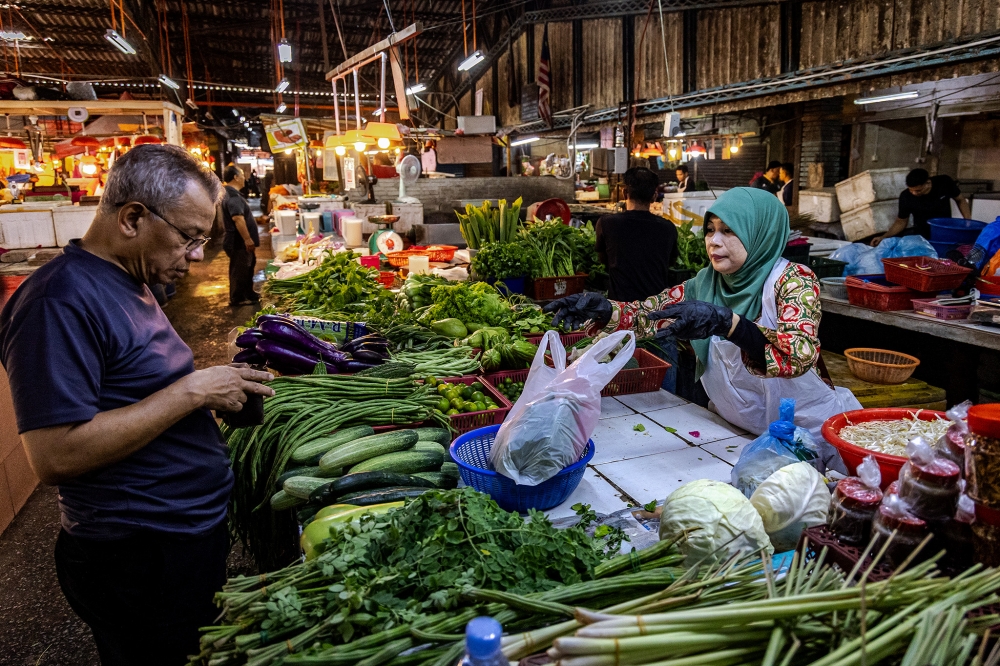
Small trader Wong Kok Keong, 55, said the price of ginger grown in Cameron Highlands has jumped from RM16 to RM18 per kg in just a week compared to imports from China. — Picture by Dhesegaan Bala Krishnan
While some farmers have turned to Chinese urea, that option is narrowing as China – Malaysia’s second-largest fertiliser supplier – restricts exports.
If the situation persists, Tan warned that farmers may cut back on vegetable cultivation and switch to fruits or cash crops such as palm oil to manage rising costs.
Packaging costs rising too
Higher fuel prices are also expected to drive up packaging costs for fresh produce.
Petroleum-based plastics such as polyethylene and polypropylene are widely used in vegetable packaging.
Tan said farmers are bracing for a 30 per cent increase in packaging costs – another factor likely to push prices higher for consumers.