APRIL 10 — In our hyper-connected world, a flare-up thousands of kilometres away in the Middle East can hit Malaysian wallets almost instantly. The Strait of Hormuz is a narrow choke point that carries roughly one-fifth of the world’s oil supply.
When tensions rise there, whether from military posturing, tanker seizures, or outright conflict, global oil markets do not wait for actual disruption. Prices spike on fear, speculation, and added risk premiums. For Malaysia, which imports a significant portion of its refined fuel and operates firmly within the global pricing system, those higher crude costs translate almost instantly into elevated pump prices, transport fees, and business operating expenses.
Cost and inflation impact
Fuel is more than just petrol at the pump. It powers the entire supply chain, from lorries delivering food from farms to markets, to aircraft carrying passengers and cargo, factories operating machinery, and power plants generating electricity. It also underpins a wide range of downstream petroleum products, including petrochemicals such as plastics, fertilisers, and solvents, as well as lubricants and asphalt.
When energy costs rise, the ripple effects are felt quickly through higher food prices, increased airfares, more expensive delivery services, and elevated manufacturing costs. These expenses rarely remain hidden for long. Within days, they begin filtering through to everyday items on supermarket shelves and household service bills. What starts as a geopolitical tremor in the Middle East quickly becomes a measurable rise in the cost of living in Malaysia.
The household squeeze
For lower- and middle-income families, the impact is especially sharp and immediate. Creeping increases in grocery bills become obvious very quickly, particularly for households that rely on diesel for transport or work. As costs rise, discretionary spending tightens, as families reassess what they can realistically afford.
The result is heightened financial stress. Many households already operating with little financial buffer are suddenly forced to make uncomfortable choices between maintaining everyday routines and cutting back on essentials. That anxiety is real, and it spreads quickly through families and communities.
Psychology moves faster than tankers
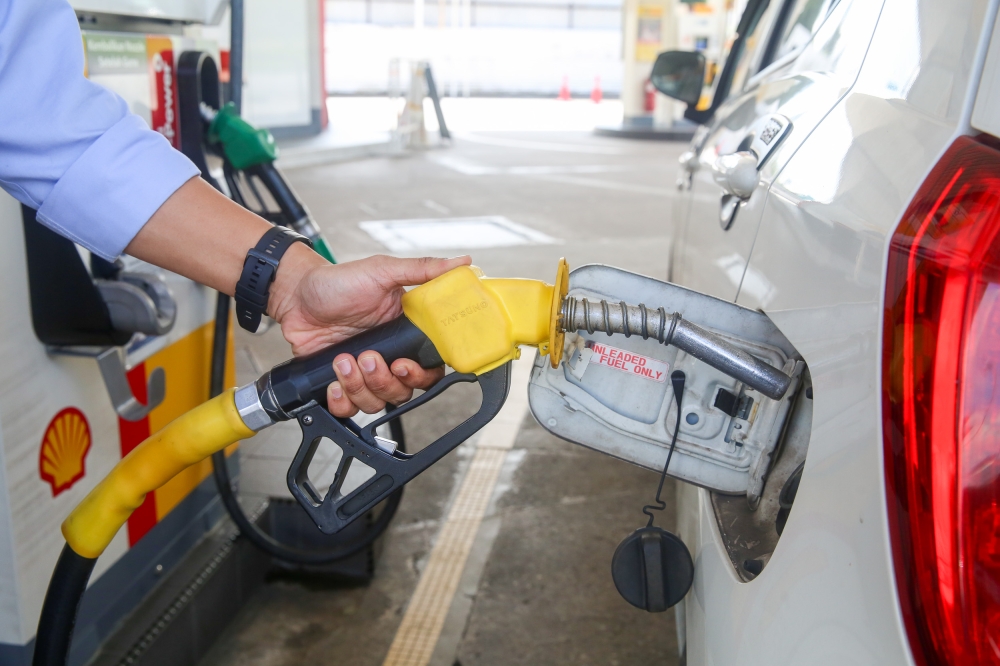
Oil price fluctuations driven by global tensions can quickly translate into higher fuel costs for Malaysian motorists and businesses. — Picture by Choo Choy May
Markets are as much about perception as physics. News of instability in the Strait of Hormuz can trigger precautionary behaviour such as fuel hoarding at stations, speculative buying by traders, and companies adjusting prices “just in case”. These psychological factors often amplify price movements beyond what the actual supply situation would justify. In short, panic can travel faster than oil tankers.
Globalisation’s double edge
This is the reality of today’s interconnected economy. Energy insecurity anywhere quickly becomes inflation everywhere. Malaysia, like many nations, benefits enormously from open global trade, but that same openness means we are not insulated from distant shocks.
A narrow waterway like the Strait of Hormuz, which is thousands of kilometres away, can shape the price of food, transport, and daily necessities in Malaysia within days. This underscores a critical reality: managing the cost of living is no longer just a domestic issue, but one tied to global volatility.
While policymakers can respond through subsidies, pricing mechanisms, or the use of strategic reserves, households and businesses must also contend with an environment where uncertainty is increasingly the norm.
In this context, resilience matters. Whether through diversifying energy sources, improving efficiency, or strengthening financial buffers, the ability to absorb external shocks will define how well Malaysia weathers future disruptions. Because in a globalised economy, what happens in one strait does not stay there; it travels quickly, and often, it arrives in our everyday lives.
* Andrew Woon is a senior lecturer at the School of Business, Monash University Malaysia.
** This is the personal opinion of the writer or publication and does not necessarily represent the views of Malay Mail.