KUALA LUMPUR, April 28 — The clatter of plates is softer, queues have disappeared, and rows of tables sit empty as stall owners wait behind counters, food laid out but with few customers in sight.
Usually, stall owners say the medan selera or food courts near the Jalan Duta government complex are bustling during breakfast and lunchtime.
Since the work-from-home directive for civil servants began — introduced to conserve energy amid shifts linked to the Middle East conflict — the change has been immediate for food stall owners.
The directive, which took effect on April 15, is being observed on a staggered basis — typically on Tuesdays, Wednesdays and Fridays — reducing the number of workers physically present at offices.
Siti Kulsum Ambrin, 40, who runs a stall selling Western cuisine, said the drop in business was drastic.
“Even our regulars told me to prepare less food, informing me that they will be working from home on Tuesdays, Wednesdays and Thursdays,” she said when met by Malay Mail.
Siti Kulsum has since decided to restart direct delivery — an alternative sales channel she once relied on during the Covid-19 pandemic.
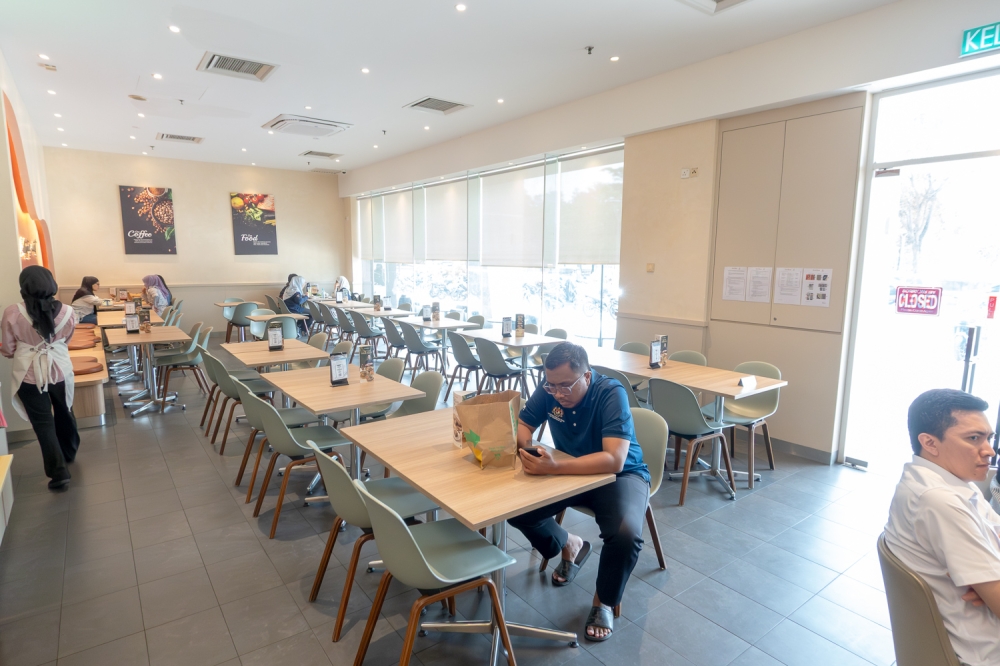
Eateries in Putrajaya Precinct 4 see a quiet lunch time with much lesser crowd. — Picture by Soo Wern Jun
Almost like Covid-19 pandemic
“It feels like the Covid-19 pandemic has hit us again, and I have to find another way to cover daily sales.
“On a good day, I make about RM1,000 — just enough to cover the cost of raw ingredients — but now we’re looking at about a 30 per cent drop in sales.
“I have to do something to make up for this loss,” she said, adding that she also has to think about workers’ wages and utility bills.
Maistura Mansoor, who runs a food business at the Pusat Penjaja Jalan Duta, said she now only prepares two to three pots of her claypot salai beef dish.
“This is a specialty dish, so I usually sell about 10 pots a day, apart from other hot meals like fried rice.
“But after the announcement, I only managed two to three pots. With this dish, I can’t prepare in advance — I can only cook when there are orders.
“I can’t keep ingredients like santan (coconut milk) overnight, so I can’t cook until there is some certainty,” she said.
Her stall operates only from lunchtime onwards, as she does not cater to the breakfast crowd.
“But it has been so quiet since the work-from-home directive took effect — it’s so empty here you could ‘roll around on the floor’,” she said, describing the hawkers’ centre that is usually abuzz with nearby office workers.
The situation is made worse by the fact that stalls do not operate on weekends, effectively leaving many with just two viable business days — Monday and Friday.
A fruit juice stall operator said their intake of fresh fruits has been halved since the announcement.
“For example, mangoes — my boss bought only three baskets, when we usually use up to six in a week.
“Because they are fresh, we can’t afford to overstock,” said the operator, who requested anonymity.
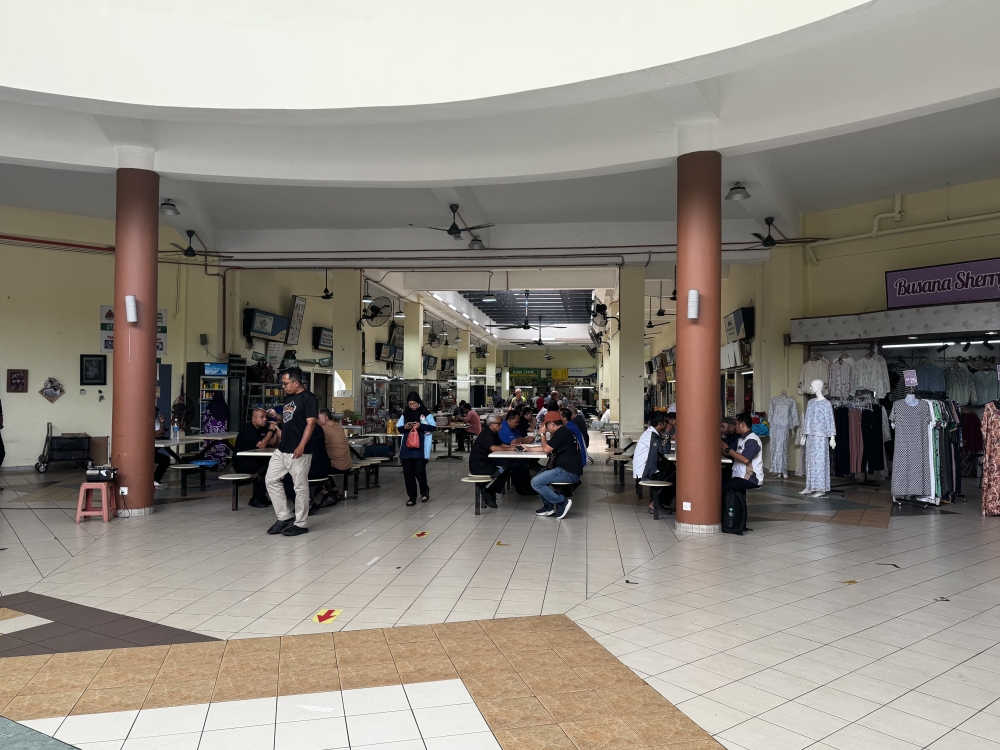
A quiet Pusat Penjaja Jalan Duta or Jalan Duta Hawkers Centre on a Wednesday. — Picture by Soo Wern Jun
Adapting is less straightforward
A nasi campur (mixed rice) stall operator, Masariman Zainur Ali, said they are considering delivery, but acknowledged its limitations.
“We are thinking about delivery, but nasi campur doesn’t travel well.
“Customers usually want to see and choose their dishes.
“This week there is an event at MITEC (Malaysia International Trade and Exhibition Centre). If you come next week, this place will be empty,” she said.
“We don’t know how long this will last, but we hope it won’t be for too long. For most of us, this is our sole source of income,” she added, estimating a drop of about RM400 in daily sales.
At Kudu Abdul Nasi Kandar, a long-time favourite among civil servants in the area, the directive was met with concern.
“When I heard about it, I immediately thought — this is bad news for us.
“As it is, business had already dropped when the Middle East conflict started. When prices of essential items increased, we were already affected.
“Now, with this, our daily sales have dropped by 20 to 30 per cent,” Haja Mohamad Nazrul said when met at the restaurant on Jalan Tuanku Abdul Rahman.
“If you ask me when do I expect this to end — I wish it’s tomorrow,” he added with a laugh.
Even before the official announcement, he said he had noticed a dip in foot traffic.
Previously, the restaurant offered naan bread and other roti varieties in the evenings, but these have since been paused.
“Now, if you pass this area at 11am, I’ve never seen it this quiet.
“That already told me we would be expecting fewer customers,” he said.
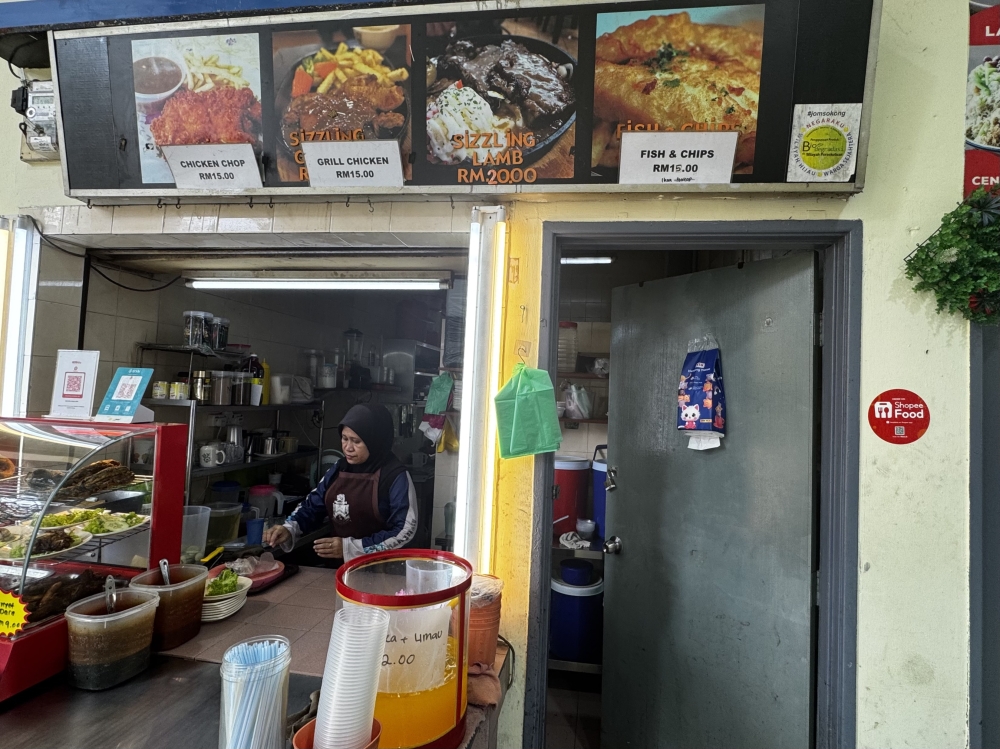
Siti Kulsum Ambrin, prepares less food for a day’s business operation. — Picture by Soo Wern Jun
Rising costs have forced adjustments
“Previously, we charged different prices for beef, chicken and seafood. Now, I’ve set the same price for all three.
“I don’t have the heart to charge more. We are still here because of our regular customers — keeping prices affordable is our way of thanking them,” he said.
A basic plate of nasi kandar with one meat and vegetables remains priced at RM10.50, excluding drinks.
While delivery orders do come in, Mohamad Nazrul said dine-in remains the preferred option.
“The experience is different — even the taste can change.
“And prices are higher on delivery platforms, so it’s not something we can rely on to make up for lost dine-in sales.
“It may also discourage customers because of delivery fees.
“I still prefer customers to come and enjoy their food here,” he said.
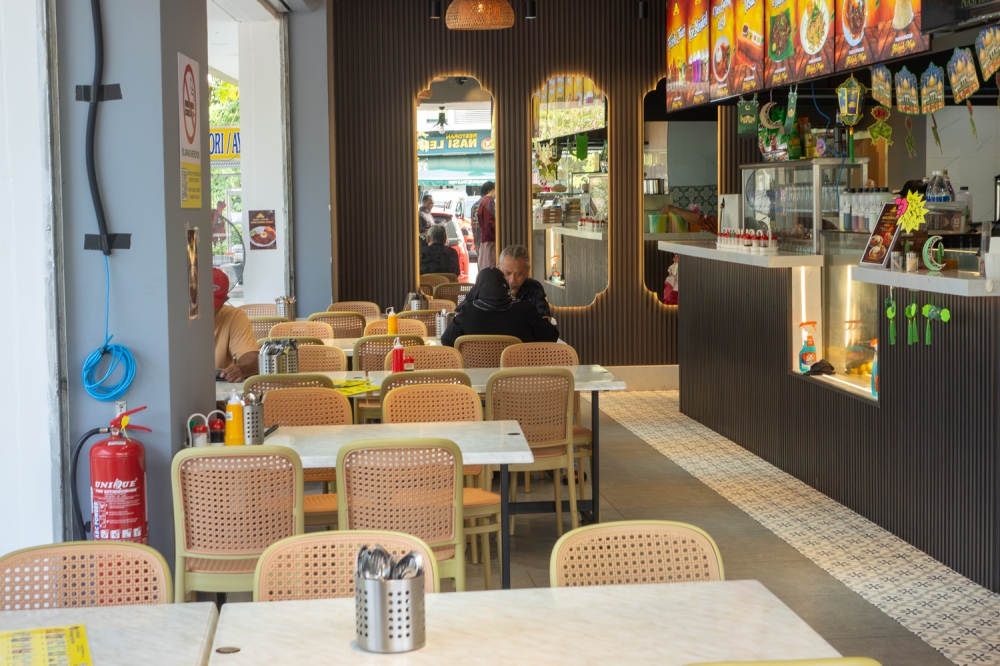
Similarly, in Putrajaya, where restaurant traffic depends heavily on civil servants, restaurant owner Ali Hidaya said the lunch crowd has dropped by about 15 per cent.
“We are open for dinner and still get customers, but for lunch, the drop was immediate after the announcement,” he said.
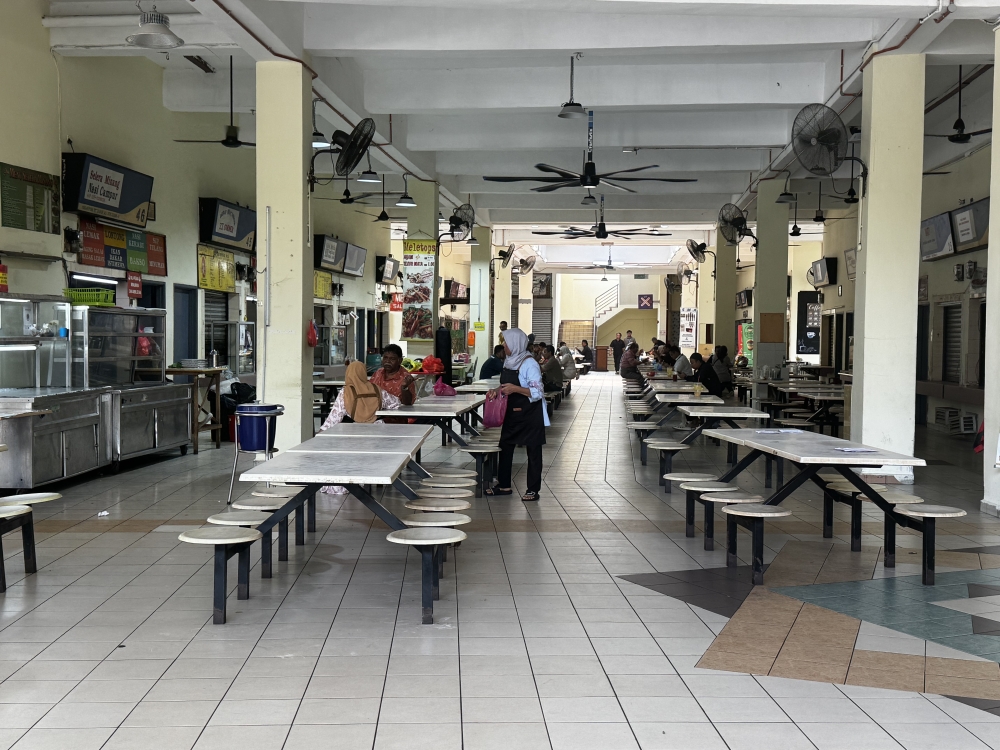
A quiet Pusat Penjaja Jalan Duta or Jalan Duta Hawkers Centre on a Wednesday. — Picture by Soo Wern Jun