APRIL 1 — It is common knowledge that the largest economy in the world, the USA, was built on the contributions and sacrifices of immigrants. But now, the same people who came as migrants are turning away new migrants. Many see this as an irony. For too long, the public debate on migration has been dominated by soundbites about border walls and job theft. It’s a narrative built on fear and scarcity. But if we dare to look at the cold, hard data compiled by experts like the OECD, a far more compelling — and optimistic — story emerges. Migration isn’t an economic burden to be managed; it is, in fact, a powerful and multifaceted engine for prosperity in both receiving and sending nations. The evidence is undeniable.
Let’s start with the most persistent myth: that migrants “take our jobs”. The OECD’s analysis consistently reveals a more nuanced truth. Migrants don’t just fill jobs; they fill critical gaps in the labour market. They are the healthcare workers in ageing societies, the engineers in tech hubs, and the seasonal agricultural labourers who bring in the harvest. The London bus drivers are all migrants! Crucially, they often complement native-born workers rather than compete with them, taking on roles at both the high and low ends of the skill spectrum that local populations are not filling in sufficient numbers. This expands economic capacity, boosts productivity, and can even create more jobs by fostering new demand and enabling native-born workers to specialize in higher-value tasks.
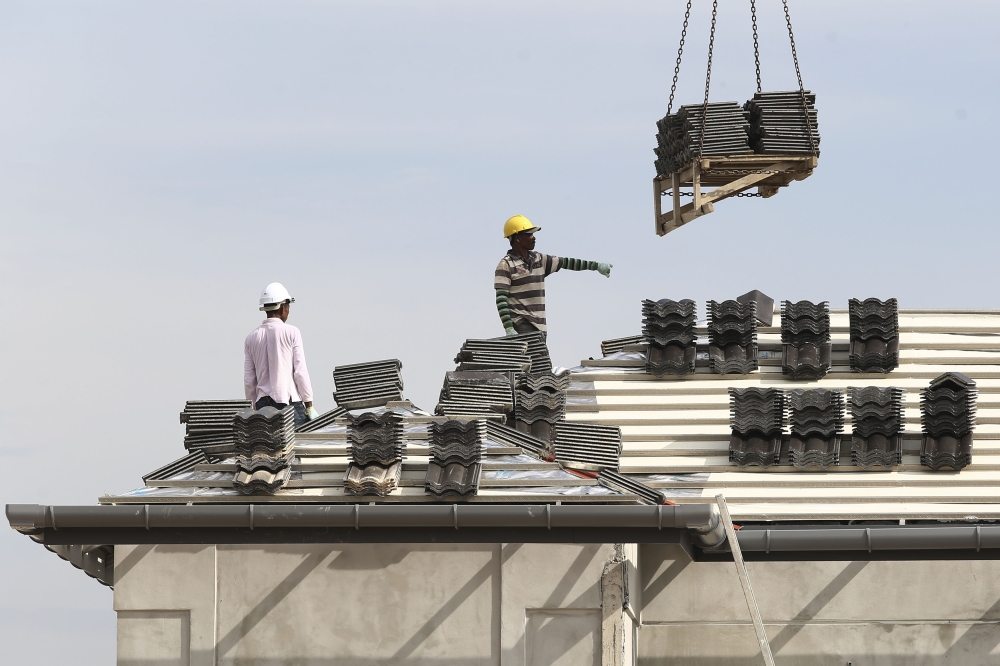
Migrants don’t just fill jobs; they fill critical gaps in the labour market. — Picture by Yusof Mat Isa
Then there’s the perennial worry about public coffers. Do migrants drain our welfare states? The overwhelming evidence says no. When integrated properly into the labour market, migrants are net contributors to public finances over their lifetimes. They pay taxes, social security, and consumption taxes. Yes, they use public services, but the OECD finds their fiscal impact is generally positive and, importantly, is most beneficial when they are young, working-age arrivals. The challenge isn’t migration itself, but ensuring policies are in place to facilitate swift labour market integration. A doctor driving a taxi is a loss for everyone.
Beyond the immediate balance sheet, migrants are dynamos of innovation and entrepreneurship. From Silicon Valley startups to neighbourhood shops, migrant-led businesses create jobs and revitalise communities. They bring diverse perspectives, global networks, and a unique appetite for risk — the very ingredients for economic dynamism. To view migrants merely as labour units is to miss their role as catalysts for new ideas and ventures.
Perhaps the most under-told chapter of this story is the impact on countries of origin. The OECD highlights the profound role of diaspora communities. The billions in remittances sent home annually are a direct economic lifeline, often exceeding official development aid. This money pays for education, healthcare, and small business startups, directly reducing poverty. But the impact is more than financial. Diasporas act as “brain circulation” networks, facilitating the transfer of knowledge, skills, and investment back home. The engineer who migrates may later found a tech company in her country of origin, creating a virtuous cycle of development. This is not to paint an unblemished picture. Poorly managed, large-scale migration can strain local infrastructure and services in the short term. Public anxiety, if left unaddressed, is real and politically potent. The key is not to halt movement, but to implement smart policies: robust integration programs, recognition of foreign qualifications, and community investments that ensure everyone benefits from growth.
The bottom line, as the OECD data makes clear, is that we are having the wrong conversation. Migration is not a zero-sum game. It is a defining feature of a globalised, interconnected world and a demographic imperative for aging Western nations. The evidence shows that when harnessed effectively, the free movement of people is a powerful driver of economic growth, innovation, and resilience. The choice isn’t between open doors or closed borders. It’s between fearful inertia and strategic management. If we want thriving, competitive, and sustainable economies, we must stop seeing migrants as a problem and start recognising them as partners in prosperity. The data has spoken. It’s time our politics listened.
* Professor Datuk Dr Ahmad Ibrahim is affiliated with the Tan Sri Omar Centre for STI Policy Studies at UCSI University and is an Adjunct Professor at the Ungku Aziz Centre for Development Studies, Universiti Malaya. He can be reached at [email protected].
** This is the personal opinion of the writer or publication and does not necessarily represent the views of Malay Mail.