KANGAR, MARCH 21 — In the merriment of celebrating Hari Raya Aidilfitri, the community also needs to be aware of self-care aspects when visiting during the festive season and attending open houses to curb the spread of tuberculosis (TB), which can easily be transmitted to others through the air.
KPJ Perlis Specialist Medical Centre consultant physician Dr. Nurazam Omar said that individuals with symptoms such as coughing and those at risk of infection are encouraged to wear face masks, frequently wash their hands or use hand sanitizers, and maintain a distance of one to two metres.
He said that individuals with a cough are at risk of being carriers of the disease, which can infect high-risk groups, including children under five years old, the elderly, and those with chronic diseases such as diabetes and cancer who have weak immune systems.
“When it’s the festive season, we usually go for visits and open houses, so those who have a cough and might not know they have tuberculosis need to take precautions by wearing a mask and practicing proper cough etiquette to prevent others from getting infected.
“Similarly, those at risk who suffer from chronic diseases also need to be vigilant about self-care by wearing face masks, washing hands frequently, and maintaining a distance, as a weak immune system makes it easy for germs to attack the lungs,” he said when met by Bernama recently.
Dr. Nurazam said the disease caused by the mycobacterium tuberculosis bacteria, which attacks the lungs, can spread and infect other individuals through the air when the active tuberculosis carrier talks, coughs, sneezes, shouts or sings.
He said that the period during which an individual is at high risk of contracting the disease is after more than eight hours of interaction and being in close contact with a tuberculosis patient in a certain place.
“Open house events held in open areas have a low risk of this disease spreading due to good ventilation compared to closed halls and houses, but it should be noted that they pose a high risk to chronic disease sufferers whose immune systems are weak in fighting the disease,” he said.
Dr. Nurazam said that the disease can cause complications to other organs, including the brain, kidneys, heart, glands, and spine if not diagnosed early to receive immediate treatment.
He explained that a tuberculosis patient with low immune resistance will cause the bacteria to multiply excessively in the lungs, which will then enter the bloodstream, leading to infections in other organs.
“There is latent TB and active TB. For example, individual A, a tuberculosis patient, infects individual B, whose immune system is strong and can respond to the bacteria in the lungs without any symptoms, feeling healthy as usual. Then, after a health screening, it is found to be latent TB.
“It is different if individual B has a weak immune system, unable to control and fight the bacteria, leading to active tuberculosis and affecting health,” he said.
Dr. Nurazam said that the community needs to be vigilant about symptoms of cough and fever at night that persist for more than two weeks, as well as sudden weight loss, and urged them to immediately go to a health facility for a tuberculosis screening.
However, he said there are also cases of TB that come without any symptoms but suddenly experience severe back pain before being diagnosed with the disease after undergoing a tuberculosis screening through Magnetic Resonance Imaging (MRI).
“That’s why I emphasise the importance of taking care of oneself with these preventive measures. In addition, if you find out that there is a tuberculosis patient in a house, my advice is to avoid visiting that house during this festive season … don’t take the risk. If you still want to go to that house, wear a face mask and maintain your distance,” he said.
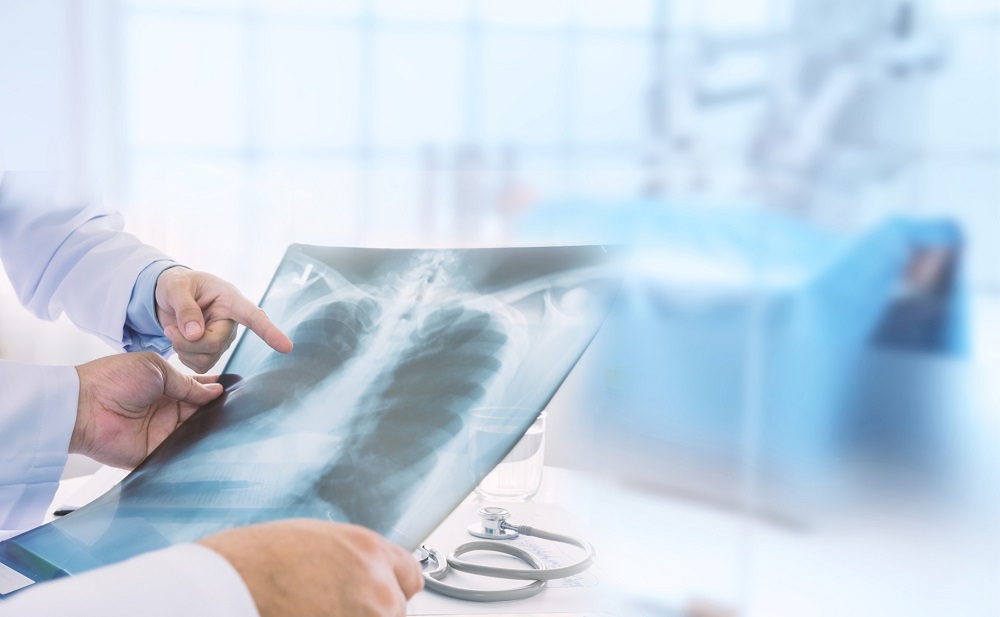
Dr. Nurazam also said that tuberculosis screening can be done through several examination methods, namely X-ray and MRI, sputum tests, or the Tuberculin Skin Test (TST) for those with dry cough, as well as respiratory tract sample collection.
He added that tuberculosis patients require treatment and the intake of certain medications for a period of six months to a year to recover. — Bernama