KUALA LUMPUR, March 7 — For many families, the Ramadan bazaar is more than a place to buy food for iftar. It is part of a familiar routine — catching up with friends, choosing favourite dishes, and soaking in the lively atmosphere before breaking fast together.
In neighbourhoods such as TTDI, Shah Alam and Putrajaya, vendors told Malay Mail that rising ingredient costs and higher stall rental fees have forced them to adjust their prices, even as customers question whether food has become too expensive.
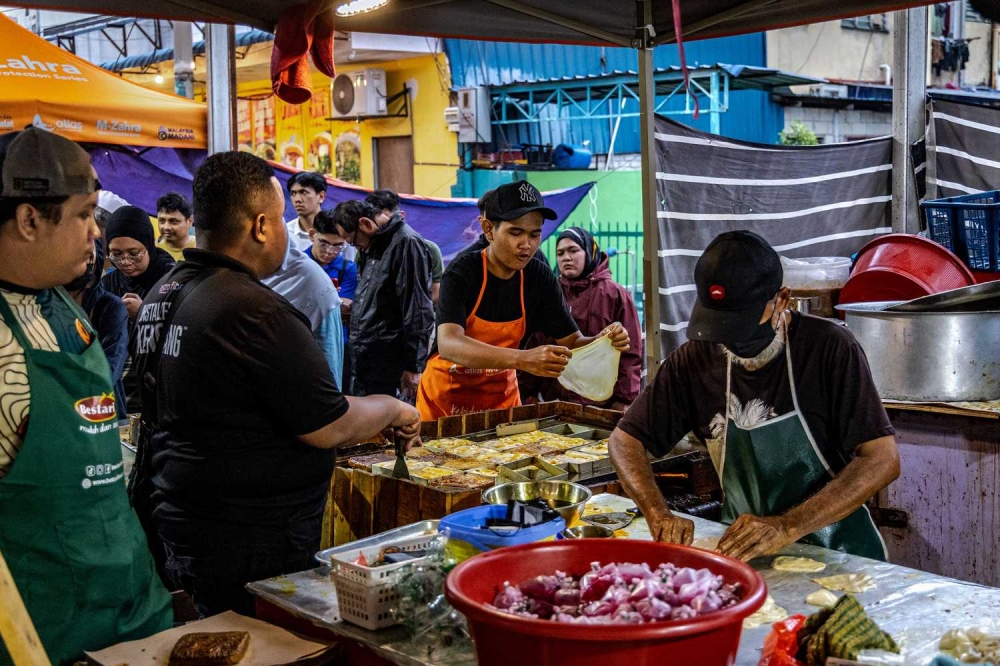
At the TTDI bazaar, Hafiz Che Usin, 36, works steadily over a wide griddle, flipping murtabak as the queue grows longer.
The father of three, who runs a small catering business outside Ramadan, said he has been trading here for three years and has seen prices climb year after year.
“Three years ago, chicken murtabak was RM6. Last year it was RM8. This year it’s RM10. For beef, now RM12. I know when customers hear RM12, they pause for a second.
“But beef has really gone up. Eggs as well. Even flour and margarine. When everything increases together, we cannot absorb all of it,” he told Malay Mail.
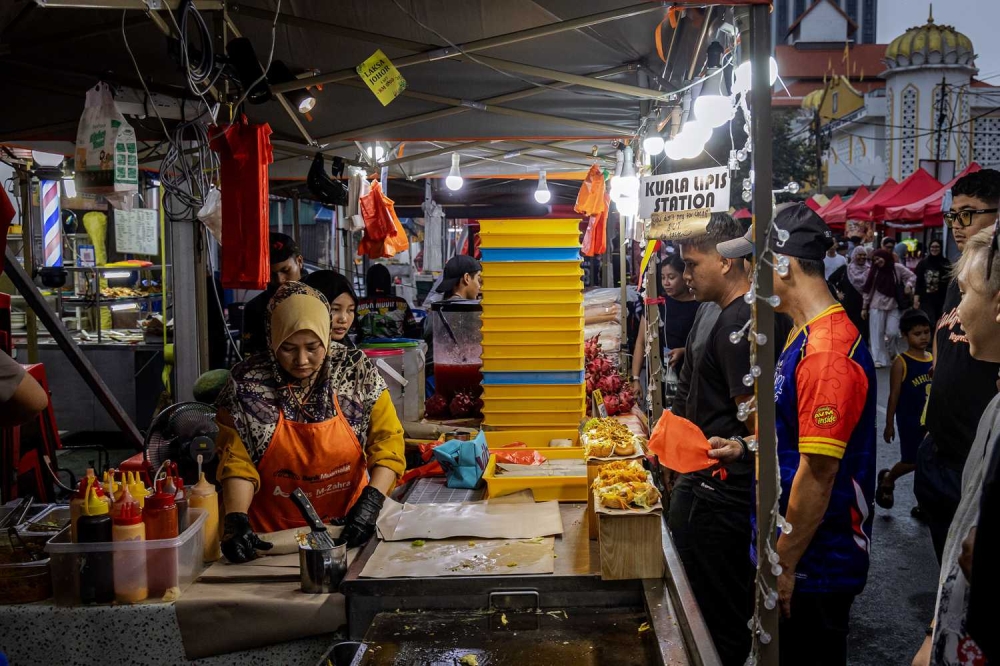
Stall rentals in Kuala Lumpur this year average around RM400, slightly lower than last year, but rising ingredient and labour costs continue to squeeze profit margins. — Picture by Firdaus Latif
Hafiz said he paid about RM400 for his stall lot this year under the local council arrangement, excluding electricity and other operating expenses.
Although it is RM100 less than last year, he noted that the expense, combined with ingredient costs and helpers’ wages, still leaves his profit margin uncomfortably tight.
“People think we earn a lot in one month but after rentals, workers and ingredients, the profit is quite controlled. It is not as big as people imagine,” he said.
At the Shah Alam Stadium bazaar, Nor Aida, 44, arranged a set of roasted chicken under warm lights to keep them fresh and protected from flies.
Her chicken rice now sells for RM12, up from RM9 last year, while drinks such as bandung and sweet corn juice are priced at RM5 for regular-sized cups.
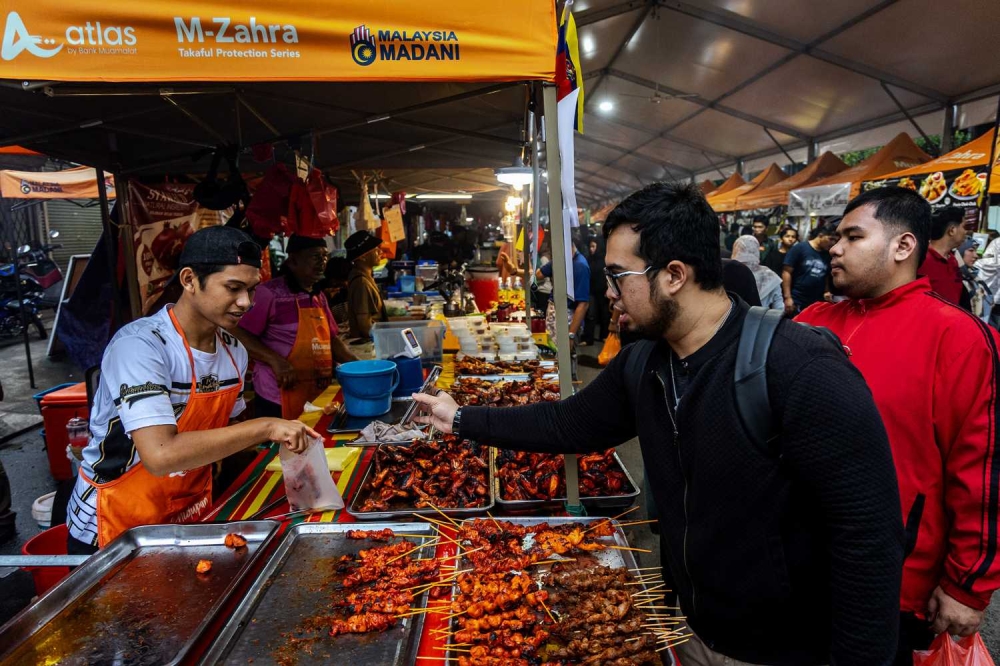
Rising ingredient and stall costs have driven price hikes at Ramadan bazaars, leaving some customers questioning whether the food is now too expensive. — Picture by Firdaus Latif
“Chicken prices have gone up, vegetables have gone up, even the plastic containers are more expensive now.
“I try not to increase too much, but sometimes we have no choice,” she said.
She said her chicken rice remains cheaper than some other stalls charging more than RM14 per portion.
Still, she said customers occasionally remark that prices feel high.
“Before, one person would buy one chicken rice each, now I see couples sharing. Sometimes they share one drink between two people,” she said.
In Putrajaya, Hafizah Che Wan, 42, a Kelantanese vendor, runs a nasi kerabu and ayam percik stall that has become a regular stop for visitors.
Stall rentals in Kuala Lumpur this year average around RM400, slightly lower than last year, but rising ingredient and labour costs continue to squeeze profit margins. — Picture by Firdaus Latif
She moved to Putrajaya over a decade ago and brings with her the recipes and flavours of her hometown, specialising in the blue-tinged rice, fresh herbs and spiced chicken that Kelantan is known for.
She said her nasi kerabu with ayam percik set costs RM16 this year, while individual sides, like her percik gravy, sell for around RM5.
“It’s true our prices look higher than in some other bazaars but coconut milk now costs nearly RM17 per kilo, that’s a key ingredient for my percik and kerabu sauces.
“When the base is higher, you cannot keep selling at last year’s price,” she added.