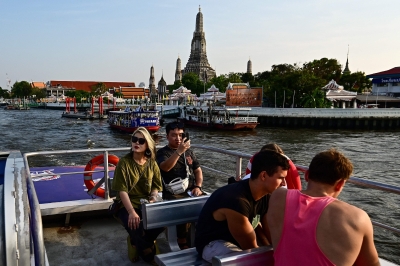
BANGKOK, Jan 1 — Visitors from Malaysia to Hat Yai, the vibrant southern Thai city, doubled to 20,000 daily during the Christmas and year-end holiday season, contributing 10 billion Baht (RM1.3 billion) to the local economy during the week.
Hat Yai Songkhla Hotel Association President, Sitthipong Sitthiphataraprabha said Hat Yai’s irresistible appeal lies on its combination of delectable and diverse food choices, easy accessibility, and affordable hotel options drew Malaysians in droves.
He said Hat Yai has firmly established itself as a favoured destination for travel enthusiasts seeking a delightful and budget-friendly getaway.
Advertisement
On ordinary weekdays throughout the year, he said Hat Yai typically enjoys a steady flow of around 5,000 Malaysian visitors daily, doubling to nearly 10,000 on weekends.
“Hat Yai experiences a joyous surge in visitor numbers from Malaysia during the year-end holiday season. On peak season weekends (Christmas and New Year), Hat Yai welcomed an average of 20,000 Malaysians daily, while weekdays see around 10,000 visitors.
“During the festive cheer of Christmas and New Year, Malaysian tourists’ average spending per trip per person reaches 10,000 baht.
Advertisement
“Aa a result, Malaysian tourists are estimated to have contributed approximately 10 billion baht to the Hat Yai economy this Christmas and New Year celebration,” he told Bernama.
Sitthipong also noted Hat Yai hotels have witnessed unprecedented surge in demand, with downtown, a popular area for Malaysian tourists, fully booked during peak holiday weeks.
He added that Hat Yai currently boasts around 20,000 rooms, including 8,000 to 12,000 concentrated at downtown.
Ministry of Tourism and Sports said Thailand welcomed 27.25 million tourist where Malaysian tourists top the list with 4.43million followed by Chinese (3.41 million) and South Korea (1.6 million), India (1.58 million) and Russian (1.42 million), as of December 24. — Bernama