MARCH 8 — In a landmark decision, a seven-judge Constitution Bench of the Supreme Court of India on Monday (March 4) unanimously ruled that Members of Parliament (MPs) and Members of Legislative Assemblies (MLAs) could not claim any immunity from prosecution for accepting bribes to cast a vote or make a speech in the House in a particular fashion.
Article 105(2) of the Indian Constitution confers on MPs immunity from prosecution in respect of anything said or any vote given in Parliament or on any parliamentary committee. Similarly, Article 194(2) grants protection to MLAs.
Notwithstanding the clear constitutional provisions, the apex court said that privileges and immunities “are not gateways to claim exemptions from the general law of the land”. Bribery is not protected by parliamentary privilege, it said in no unmistaken terms.
Advertisement
Chief Justice of India D Y Chandrachud, who delivered the judgment of the Court, said:
“Corruption and bribery of members of the legislature erode the foundation of Indian parliamentary democracy. It is destructive of the aspirational and deliberative ideals of the Constitution and creates a polity which deprives citizens of a responsible, responsive and representative democracy.”
In so ruling, the Chief Justice said that the Court disagreed with and overruled a 25-year-old majority view of the Court, laid down in the infamous JMM bribery case judgment of 1998, that lawmakers who took bribes were immune from prosecution for corruption if they go ahead and vote or speak in the House as agreed.
Advertisement
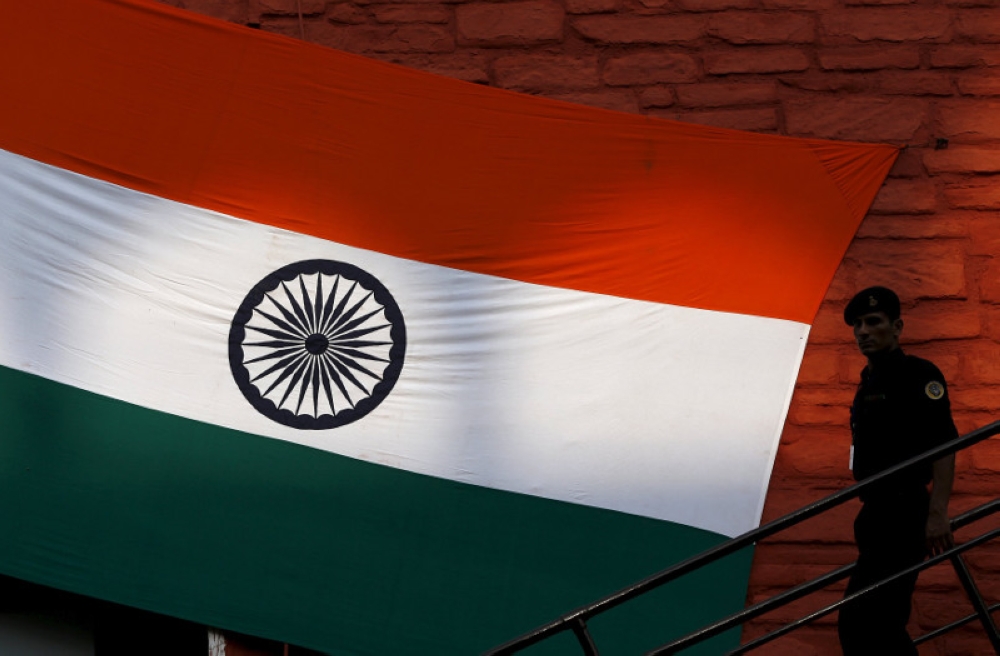
In a landmark decision, a seven-judge Constitution Bench of the Supreme Court of India on Monday (March 4) unanimously ruled that Members of Parliament and Members of Legislative Assemblies could not claim any immunity from prosecution for accepting bribes to cast a vote or make a speech in the House in a particular fashion. — Reuters pic
According to the Chief Justice, the majority on the five-judge Bench in the JMM bribery case had erred — a grave error that the Court did not want to perpetuate.
The head of Indian judiciary considered representative democracy was at stake and dismissed notions that whittling down of parliamentary immunity would expose a vote or a speech made by Opposition lawmakers in the House to criminal investigation and thus enhance the possibility of abuse of the law by political parties in power.
Bribery is destructive to the “aspirational and deliberative ideals of the Constitution and creates a polity which deprives citizens of a responsible, responsive and representative democracy”.
While Articles 105 and 194 of the Indian Constitution seek to sustain an environment in which debate and deliberation can take place within the legislature, parliamentary immunity would kick in only if a legislator acts in furtherance of “fertilising a deliberate, critical and responsive democracy”.
Article 105(2) and Article 194(2) state that no member of Parliament/Legislature of a State shall be liable to any proceedings in any court in respect of anything said or any vote given by him in Parliament/Legislature or any committee thereof, and no person shall be so liable in respect of the publication by or under the authority of a House of any report, paper, votes or proceedings.
The constitutional parliamentary immunity is similarly worded in Article 62(2) and (3) of the Federal Constitution.
Inspired by the unanimous decision of the Indian Supreme Court, one may argue that constitutional parliamentary immunity in Malaysia should not shield a member of the legislature, be it Parliament or state legislative assembly, from liability in respect of bribery or anything said in respect of allegation of bribery when taking part in any proceedings in the House of a legislature.
Bribery erodes the foundation of parliamentary democracy. Its commission and allegations of it, even in the House of a legislature, should be dealt with by the general law of the land.
* This is the personal opinion of the writer or publication and does not necessarily represent the views of Malay Mail.