
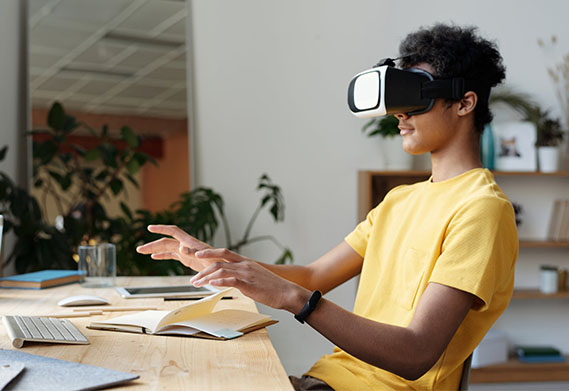
Kuala Lumpur: In a groundbreaking development, the field of education is witnessing a significant transformation with the integration of artificial intelligence (AI) into classrooms. As technology continues to advance at an unprecedented rate, AI is gradually making its way into various industries, and now it’s starting to revolutionise the way we learn. In traditional ways, teachers have been the mainstay of the educational system, providing knowledge, guidance, and support to students. However, as technology developed, the approaches or ways to learn also changed. As we know, in the past, it was important to know the knowledge or information, but nowadays, it is important to gain or know the skills on how to get the knowledge. Indirectly, many students or institutions nowadays integrate the Internet of Things (IoT) into their learning.
This encourages students to gain knowledge easier, such as through massive open online courses like CourseSera, which allows anyone to do any course they want. All information is on the fingertip, which will allow students to apply self-directed learning. Self-directed learning is a process where students themselves take control of their education, which involves learning needs and goals, and decide how to get there at their own pace. But that does not mean that students do not need teachers. According to Malcolm Knowles, the one who introduced self-directed learning (SDL), SDL should be facilitated. This means that students do the self-directed learning, but the teacher will react as a facilitator. Other than that, as SDL is related to the initiative of individuals, this means students who will perform SDL need to have high self-control in order to achieve effective learning in SDL. Self- control refers to the process by which people regulate their habits, urges, and impulses in order to achieve long-term goals. Additionally, as the information gets more diverse, there is a high chance that students will be exposed to false information. However, with the help of the teacher, the teacher can guide the students about the resources of information to ensure the sources of information gained are legit.
Embracing multicultural perspectives in Malaysia’s education system involves recognising, celebrating, and integrating the diverse cultural, linguistic, and religious backgrounds of the country’s population into the teaching and learning process. Malaysia’s society is characterised by a rich tapestry of ethnicities, including Malay, Chinese, Indian, and indigenous groups, each with its own unique cultural heritage. In the context of education, embracing multicultural perspectives entails several key aspects, such as inclusivity, cultural awareness and sensitivity, and multilingual education:
- Inclusivity: Teachers are encouraged to create inclusive learning environments that respect and value the cultural diversity of students. This involves fostering an atmosphere where students from various backgrounds feel represented, appreciated, and empowered to contribute their perspectives to the classroom.
- Cultural Awareness and Sensitivity: Educators play a vital role in promoting cultural awareness and sensitivity among students. This includes incorporating diverse cultural content into the curriculum, acknowledging and celebrating cultural festivals, and encouraging open discussions about different cultural practices and traditions.
- Multilingual Education: Malaysia’s multilingual society calls for educational approaches that recognize and support language Teachers are tasked with facilitating language
learning and promoting the preservation of various languages spoken in the country, including Bahasa Malaysia, Mandarin, Tamil, and indigenous languages.
By embracing multicultural perspectives, Malaysia’s education system aims to nurture a generation of students who are culturally competent, open-minded, and equipped to contribute positively to a pluralistic society. It underscores the importance of recognizing and leveraging the strength that comes from Malaysia’s cultural diversity, ultimately fostering a more inclusive and harmonious society.
However, emotional intelligence is ignored since technology is more to content delivery only, at this point teacher play important role as mentorship and developer of soft skills and critical thinking skills.Teachers will focus on fostering emotional intelligence, critical thinking and social skills. The ability to guide students through emotional and ethical dilemmas and to support their wel-being will be as crucial as academic instruction. In Malaysia, the emphasis on the holistic development of students underscores the importance of moral and citizenship education as fundamental components of the curriculum. This approach aims to instill values and essential life skills in students, recognizing the significance of qualities like empathy, resilience, and ethical reasoning. Teachers are at the heart of this endeavor, taking on expanded roles as mentors and coaches, not only focusing on academic instruction but also guiding students through character development.
This shift in education acknowledges that developing soft skills is crucial for students’ overall growth and success. By integrating moral and citizenship education alongside traditional academics, Malaysia’s educational system seeks to prepare students for the complexities of the modern world. Teachers are instrumental in fostering these skills, encouraging students to think critically, empathize with others, and navigate ethical dilemmas. As mentors and coaches, teachers are poised to guide students through the acquisition of life skills, helping them become well-rounded individuals who can contribute positively to society. This approach signifies a broader commitment to nurturing not just knowledgeable individuals, but also responsible and empathetic citizens who can navigate the complexities of the world with integrity and resilience.
As with many things regarding education, depending on the internet will, of course, come with certain risks, including the potential exposure of personal data. There have been instances of data breaches where unauthorised individuals gain access to sensitive information stored by organisations. These breaches can result in the exposure of personal data such as names, addresses, financial information, and login credentials. It is important to stay updated on security measures and take precautions to protect personal data. Additionally, there are a few ways to get the data, such as malware and phishing attacks, which are popular methods used to gain access to personal data. These attacks can occur through malicious emails, deceptive websites, and infected software. It is crucial to exercise caution while browsing the internet, avoid clicking on suspicious links, and only use reliable security software and websites. There are many ways to mitigate the risks associated with data exposure, but this way may be important to be applied: educate yourself about common online threats and scams to ensure and recognise the method used to scam or gain personal data to help protect personal data and reduce the chances of data leaks.
From my point of view, technology and teachers should move along in order to achieve effective learning. Technology cannot completely replace the role of teachers; aside from enhancing and transforming educational experiences, technology could improve accessibility for students if the situation is not allowed, as technology cannot deliver the content with emotional application and also develop students’ soft skills. Technology can also provide adaptive learning platforms that deliver
customised content, adaptive assessments, and personalised feeds, allowing students to learn at their own pace and style with the help of a teacher. This shows that a combination of technology and teachers can create a more effective and well-rounded educational experience.
Authors:
Muhammad Haziq Bin Baharom, Dr. Mohd Mokhzani Bin Ibrahim


