

APRIL 4 — The escalation of the US-Iran conflict in early 2026 has sent shockwaves through the global energy market. Crude oil prices have surged due to maritime risks in the Strait of Hormuz and threats of retaliatory strikes on energy infrastructure. This could worsen into an energy crisis, affecting all Malaysians.
For Malaysia, this presents a “double-edged sword.” While the nation benefits from increased petroleum revenue as a net exporter, it faces a severe fiscal strain from a fuel subsidy bill that has ballooned to over US$800 million (RM3.4 billion) monthly. To prevent this volatility from spiraling into a systemic energy crisis, Malaysia must adopt a multi-pronged strategic approach.
Targeted subsidy rationalisation
The current “blanket” subsidy for RON95 is becoming unsustainable. With global prices soaring, the government is essentially subsidising the middle and upper class at the expense of development funds. It is time to implement the long-discussed Targeted Subsidy Program.
By utilising the PADU (Central Database Hub), the government can shift from price suppression at the pump to direct cash transfers for the B40 and M40 groups. This reduces the total subsidy while protecting the vulnerable from inflationary shocks.
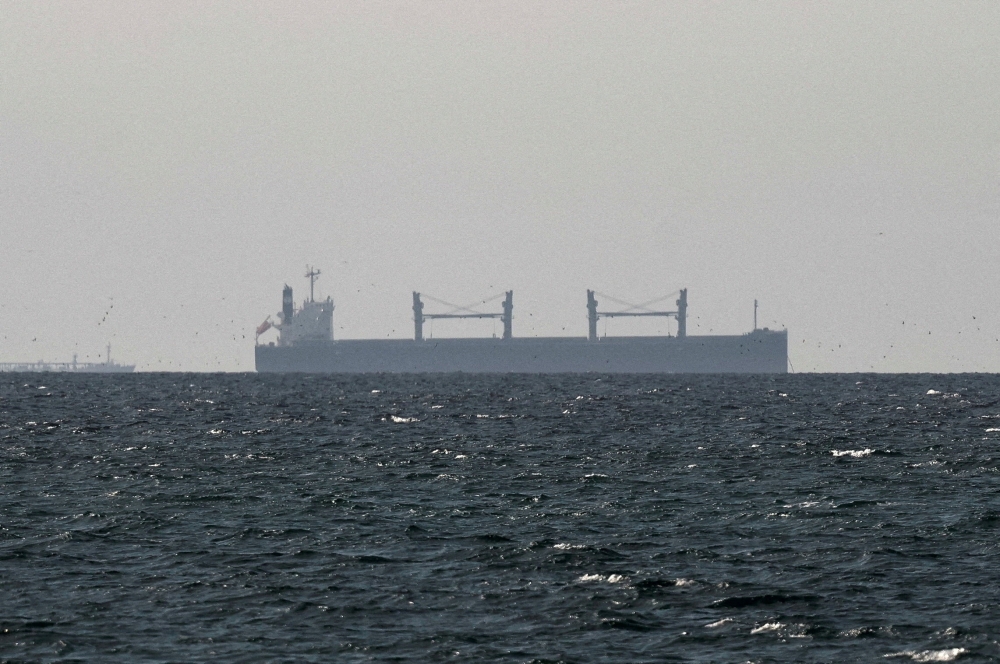
File picture of a cargo ship in the Gulf, near the Strait of Hormuz, as seen from northern Ras al-Khaimah, near the border with Oman’s Musandam governance, amid the US-Israeli conflict with Iran, in United Arab Emirates, March 11, 2026. — Reuters pic
Fuel saving and WFH
Reducing the national demand for fuel is the fastest way to mitigate a supply crunch without waiting for new infrastructure. This includes the installation of optical sensors that automatically switch off electrical appliances when not operational, reducing wastage.
The Ministry of Human Resources has already begun urging the private sector to adopt flexible work arrangements. A national “Energy Conservation Month” could mandate a 4-day work week for non-essential civil servants to reduce peak-hour traffic and fuel consumption.
A 20 per cent reduction in commuting days translates directly into lower national fuel demand and reduced pressure on the federal subsidy budget. Electricity and fuel saving techniques in public amenities and industrial operations can contribute substantially to reducing the fuel pressure.
Solar as a viable national energy transition
A long-term solution is needed to move away from fossil fuel dependency. The use of solar energy should be intensified. Energy supplier companies like TNB can facilitate the use of available space for solar power.
The most efficient solar panels could be extensively installed on the roofs of all large buildings and highways. Corporate Renewable Energy Scheme (CRES) allows more businesses to bypass the grid and use self-generated solar power.
EV infrastructures provide tax rebates for electric motorcycles, cars, and commercial delivery vehicles to “electrify” the logistics sector, substantially cutting the demand for fuel.
Transitions in AI and data centers
With energy accounting for up to 60 per cent of data center operating costs, these sectors are increasingly treating energy security as a core component of business continuity, mitigating the problem through a combination of aggressive energy efficiency measures.
Due to the high cost of diesel for backup generators, data centers are accelerating the adoption of alternative energy solutions, including onsite renewables (solar) and exploring hydrogen fuel cells. Advanced liquid cooling or “free cooling” techniques are adopted to reduce the reliance on energy-intensive mechanical cooling systems, lowering the overall Power Usage Effectiveness (PUE).
The development of optical and photonics-based technology that integrates with AI chips has intensified, as this is a promising route to more energy-efficient AI and data centers. This shift involves replacing electrical interconnects with light-based (photonic) data transmission, which offers significantly higher data rates, lower latency, and reduced heat generation.
This is crucial for powering next-generation generative AI infrastructures that are more powerful, produce less heat, and consume less energy.
Energy strategies in industries
Industries in logistics, manufacturing, and transportation are implementing immediate and long-term measures to manage fuel costs, such as improving vehicle and machine efficiencies through maintenance, lubrication, and optimising transport routes to cut diesel consumption.
In response to shipping bottlenecks (e.g., in the Hormuz Strait), ships are diversifying logistics routes and sourcing suppliers closer to production sites to avoid high transit costs.
Transition to electric solutions is a long-term strategy as industries consider replacing oil-powered machinery, logistics vehicles, and forklifts with electric alternatives. Fuel-intensive industries are conducting rigorous energy audits to identify waste, often shifting to smart grid technologies to manage energy consumption in real-time.
Asean Power Grid (APG) is key to sustainable regional energy security
The strategy is to establish bilateral electricity trade with Laos, Thailand, and Singapore to widen the resource pool. Grid integration creates a “mutual defense” mechanism where regional surpluses can offset local deficits, stabilising the cost of electricity even if gas prices remain high.
While Malaysia’s position as an oil producer offers a temporary financial cushion, the real threat lies in the “subsidy trap” and imported inflation. By combining aggressive savings and fuel demand with extensive solar renewable energy, Malaysia can turn this geopolitical crisis into a victory for its national energy security.
* Prof. Dr. Raymond Ooi is a Professor of Quantum and Laser Science at the Department of Physics, Faculty of Science, Universiti Malaya and can be reached at [email protected].
** This is the personal opinion of the writer or publication and does not necessarily represent the views of Malay Mail.


