FEBRUARY 26 — The first sahur of Ramadan is rarely poetic.
The alarm rings earlier than the body prefers. The kitchen light feels too bright. You sit at the table not because you are hungry, but because you are preparing to be.
The house is quiet, but not yet peaceful. It is the quiet of adjustment, not reflection. You chew slowly, glancing at the clock, already aware that the day ahead will feel different.
By mid-morning, the body begins to notice what is missing. The cup of coffee that usually accompanies the first email.
The absent sip of water between conversations. The unconscious reach for a snack that never happens.
You realise how much of your day runs on habit, how much comfort is stitched into small routines you rarely question.
And sometime in the afternoon, when energy dips and patience thins, you wonder why you willingly chose this disruption.
Ramadan always begins this way every year; well at least for me. The first day feels procedural, almost mechanical. The body protests before the soul participates.
But that pattern is not unique to fasting, you see. The first kilometre of a run after weeks of inactivity feels heavy and resistant.
The lungs negotiate. The legs search for compromise. Yet if you persist beyond that initial discomfort, something shifts.
The rhythm settles in, almost unexpectedly. Haruki Murakami once wrote in What I Talk About When I Talk About Running that pain is inevitable, but suffering is optional. The early stages always test you, not to punish, but to recalibrate.
The same applies beyond physical routines. The first lecture of a new semester carries an awkward tension before the room finds its rhythm.
The first day in a new role feels uncertain, even if you appear composed. The first attempt at something meaningful rarely feels meaningful at all.
We tend to romanticise beginnings. New notebooks. Fresh calendars. Grand intentions. But most beginnings feel more like friction than inspiration.
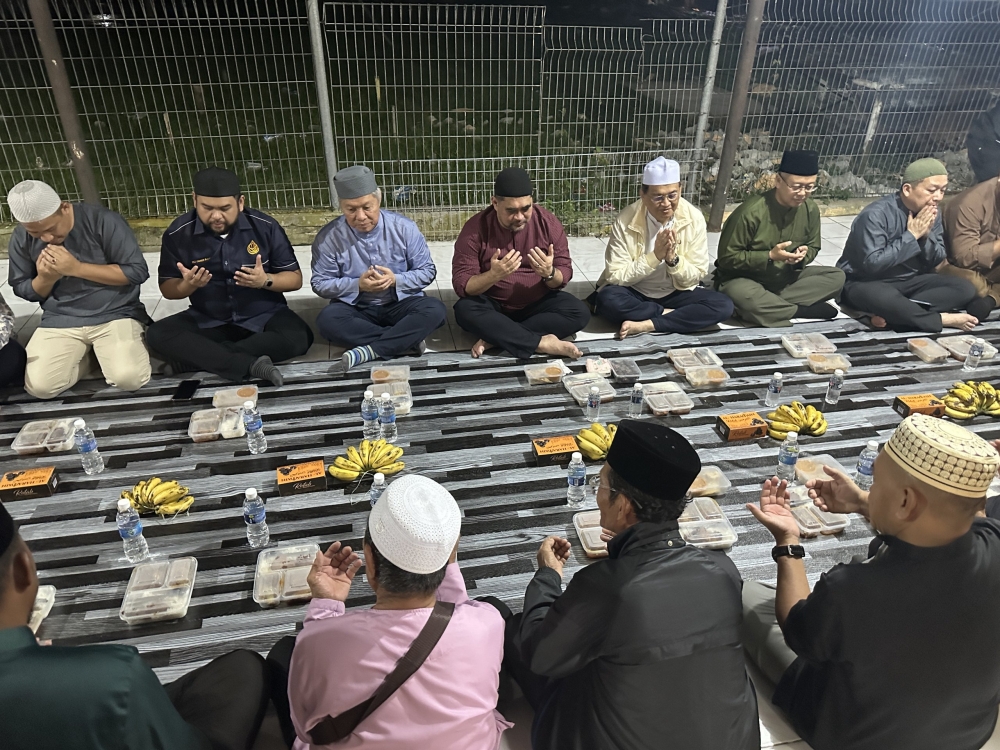
Ramadan always begins this way every year; well at least for me. The first day feels procedural, almost mechanical. The body protests before the soul participates. — The Borneo Post file pic
We often assume that motivation must precede discipline. That clarity must come before commitment.
In reality, it is usually the other way around. We commit first. We show up awkwardly. We endure the initial resistance. Only after staying long enough does meaning begin to unfold.
Looking back, many of the important turns in my life did not begin with confidence. Returning to study after disappointment did not feel triumphant on the first day. It felt uncertain.
Standing in front of a classroom for the first time did not feel natural. It felt exposed.
Even building the habit of writing regularly did not begin with fluency. It began with drafts that were clumsy and unfinished.
What made the difference was not certainty. It was staying long enough for rhythm to replace resistance.
The early days of Ramadan train that muscle quietly. Night patterns shift. Energy levels fluctuate. Traffic feels longer in the late afternoon.
You are not suddenly patient or serene. You are simply operating with less comfort than usual. And in that slight discomfort, awareness sharpens.
Gratitude becomes less theoretical. Even the evening meal tastes different, not because the food has changed, but because you have.
There is a Stoic idea that we do not control circumstances, only our response to them.
The first day of fasting reminds me how much of life is response. We cannot control the body’s initial protest. We can only choose whether to continue.
Discipline, then, is not dramatic. It is quiet consistency applied when enthusiasm has not yet arrived.
None of the depth people associate with Ramadan is visible on day one. The first day is simply about showing up.
It is about eating before dawn when you would rather sleep. It is about carrying on with your responsibilities without the usual comforts. It is about trusting that something worthwhile can grow from repetition.
Ramadan returns each year not just to refine spirituality, but to rehearse endurance. It reminds us that hard starts are not signs that something is wrong. They are signs that something is shifting.
If the first day feels heavy, that is not failure. It is friction doing its work.
Stay with it long enough, and what began as discipline slowly becomes steadiness. And steadiness, more than excitement, is what carries us through most of life.
The rhythm will come.
*Ir Dr Nahrizul Adib Kadri is a professor of biomedical engineering at the Faculty of Engineering, the Director of UM Press, and the Principal of Tuanku Bahiyah Residential College, Universiti Malaya. He may be reached at [email protected]
*This is the personal opinion of the writer or publication and does not necessarily represent the views of Malay Mail.