MARCH 10 — Malaysia has never suffered from a shortage of ambition. From visionary economic roadmaps to sophisticated digital transformation masterplans, the nation’s shelves — both physical and digital — are well-stocked with impressively designed blueprints. These documents are often comprehensive, forward-looking, and born from genuine expertise. Yet, a familiar, frustrating pattern repeats itself: the grand launch, the initial flurry of activity, and then a gradual, quiet fade into obscurity. The plan, it seems, is an end in itself, not a beginning.
The diagnosis, as many have astutely observed, is not a lack of ideas but a critical absence of strong, accountable drivers. A plan without a driver is a ship without a captain — it may be beautifully engineered, but it will drift aimlessly, vulnerable to the first strong current or storm. In Malaysia’s context, this driver deficit manifests as a fatal flaw in coordination, monitoring, and, crucially, adaptation.
The phantom driver problem. Too often, responsibility for a national plan is diffused across multiple ministries, agencies, and committees. This creates a paradox: everyone is involved, but no one is truly accountable. When a task belongs to everyone, it effectively belongs to no one. Meetings are held, reports are filed, but decisive action and tough cross-ministry coordination stall in a maze of bureaucratic prerogatives and turf protection. The driver — the entity with the clear authority to cut through red tape, allocate resources decisively, and demand answers — is a phantom.
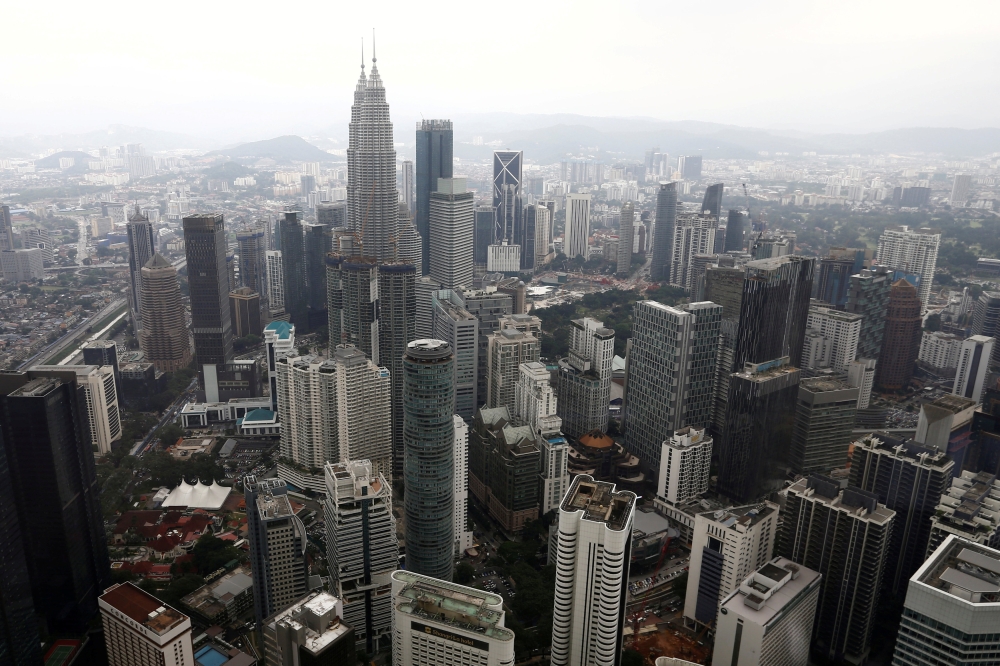
According to the author, Malaysia’s potential is abundant, but without determined drivers to steer national plans, even the grandest blueprints risk gathering dust. ― Reuters file pic
This directly cripples the plan’s Monitoring and Evaluation (M&E) framework, reducing it to a compliance exercise rather than a learning tool. Without a driver insisting on real-time, honest data, reporting becomes about justifying expenditure and showcasing selective successes, not about measuring actual impact against objectives. The result is a feedback loop that tells us nothing about what is actually happening on the ground.
The world does not stand still for our plans. This is where the failure becomes most acute. As many rightly points out, a plan is a snapshot of assumptions at a single point in time. The global economy, technology, and societal needs are in constant, rapid flux. A five-year digital plan crafted in 2023 could be rendered partially obsolete by 2024 due to the sudden rise of generative AI. A trade strategy can be upended by new geopolitical alliances or supply chain shocks.
A living, robust plan needs mechanisms to learn and pivot. This requires a driver with the mandate to convene stakeholders, analyze fresh M&E data against changing external realities, and authorize course corrections. Without this, we are left blindly executing the original script while the play has fundamentally changed. We build the proverbial better mousetrap while the world has moved on to pest control using drones.
Breaking the cycle: From plan-centric to execution-centric governance. The solution requires a fundamental mindset shift: from celebrating the launch of a plan to incentivizing its outcomes. First, every major national blueprint must have a named, empowered, and publicly visible driver. This could be a specially constituted delivery unit reporting directly to the top tier of government, or a specific minister given unambiguous cross-cutting authority. Their performance must be tied to the plan’s key performance indicators, not just to activity.
Second, M&E must be transparent, independent, and actionable. Data on progress and bottlenecks should be publicly accessible, subject to independent audit, and designed to trigger pre-defined intervention protocols. The goal is not to punish, but to problem-solve in real time.
Finally, we must institutionaliSe formal review and adaptation milestones. Every plan should have built-in “pressure points” at 18 or 24 months, where the driver is compelled to present a “State of the Plan” report, recommending continuations, changes, or even terminations based on evidence.
Malaysia’s potential is perpetually latent, not for a lack of maps, but for a lack of determined navigators who can steer the ship through uncharted waters. Our blueprint culture reflects hope and intellect. To redeem that hope, we must now cultivate an equally strong execution culture, one that values the agile, driven, and relentless pursuit of results over the perfect, static plan. The world is moving. It’s time our implementations did too.
* The author is affiliated with the Tan Sri Omar Centre for STI Policy Studies at UCSI University and is an Adjunct Professor at the Ungku Aziz Centre for Development Studies, Universiti Malaya. He can be reached at [email protected].
** This is the personal opinion of the writer or publication and does not necessarily represent the views of Malay Mail.