


In a previous article, International Medical University (IMU) medicine division head Prof Dr James Koh Kwee Choy recounts his experience of getting vaccinated, which includes prep work, side effects and scheduling a second dose.
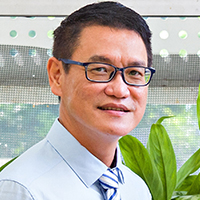
This article discusses Prof Dr James’s tips on what to look out for before getting vaccinated, why we should all get vaccinated and what we should do on vaccination day.
Not everyone is a match
There are two groups of people though who should take precautions: those whose immune systems have been suppressed (for example, if you are undergoing chemotherapy or if you are living with HIV/AIDs), and those with a history of anaphylactic shock.
“If you are in any of these groups, check with your doctor who will monitor and advise you about taking the vaccine as your body needs to be stable before you do,” he says.
Others may have to delay their jabs. This is the case if you have received another vaccine, for instance, the flu or hepatitis B vaccine, in the two weeks prior to your appointment date.
“You will be asked to reschedule your Covid-19 vaccine shot,” says Koh. “This is to allow the body time to recover from the other vaccines.”
Another reason for a delay would be if you have had a Covid-19 infection.
“In Malaysia, a 3-month gap between recovery from Covid-19 and vaccination is practised,” says Koh.
This may seem counterintuitive — do we not develop our own antibodies?
“Yes, but that’s not enough,” Koh explains. “Someone who has had the Covid-19 virus will develop antibodies, but studies have indicated that they only last for about 6 months.”
“You should therefore still register for the vaccination just like everyone else. You do not need to take any other tests,” he adds.

To love and protect
“All of us who can take it, should do so because we’re the ones who can protect those who are not as strong,” says Koh.
To gain herd immunity, 80% of the population needs to be vaccinated. That means most of us need to take the jab.
Using a war analogy, Koh likens it to having a city fortified with able people protecting the very young, the sick and the old.
“If we do that, we have a better chance of winning. But if we all start to say that we don’t want to fight, and we just want others to fight on our behalf, what will happen?” he asks.
There is still one big question hanging in the air for many: “Is one vaccine better than the other?”
“Some are traditional vaccines that use an inactivated virus to which the body reacts by producing antibodies. The newer methods use something called the messenger RNA (mRNA), that will enter the muscle cells—this is why the muscle becomes very painful.
“The mRNA causes the muscle cells to make components of the virus, in this case, the spikes on the coronavirus, which are displayed on the muscle cell surface for the body to react to it by producing antibodies. While the different vaccines work differently, they are all just as safe and effective.”

Make the commitment
What about those who want to wait it out? According to Koh, “There is no point in waiting. Herd immunity needs to happen as quickly as possible as the virus will mutate. The faster we are able to vaccinate people, the less time the virus will have to mutate in the community. This means we cut down the chances that it will evolve into something even more deadly.”
Koh also explains that it is a misconception that the two doses are the only ones we will ever need to take: “That’s not the case. The virus will mutate and you will need to get booster shots regularly.”
This means whether you wait or you don’t, booster shots will be part of our life for the foreseeable future.
“Get the vaccine because we’re not just protecting ourselves but protecting others,” he says.
And if you are still hesitating, heed his words: “If we do not reach herd immunity, it may not take away the personal protection of those who are vaccinated… but what it does mean is that we might live from one MCO to another.”

Vaccination day checklist
- Turn up early for the appointment, about half an hour before the appointment time.
- Wear loose clothing that allows doctors to easily access your shoulder.
- Remember to bring your mobile phone with your MySejahtera ID and your NRIC.
- A briefing and verification of your identity. You will need to scan several QR codes with your mySejahtera app.
- There will be a short counselling session by a doctor who will review your medical history such as past medical problems, allergies, etc.
- If this is cleared, you will need to sign the consent form saying that you are agreeable to the vaccine. This is only during the first dose.
- You can then proceed to vaccination. It is better to be injected on your non-dominant hand, as most people experience soreness and pain at the injection area.
- You will need to stay for observation for 30 minutes. You will be monitored for any severe reactions.
- You will receive a notification for your second dose (between 2-3 weeks after). The second dose will be much faster as there will be no counselling or briefing session.
- After the second dose, you will be given a card to verify that you have received both doses. This card will also be available in your mySejahtera app.
This article was provided by the International Medical University Healthcare (IMUH) facility. To read the first part on Prof James’ experience of getting vaccinated, click here.
CLICK HERE FOR THE LATEST DATA ON THE COVID-19 SITUATION IN MALAYSIA

![Casemiro sebak, emosi dengan layanan penyokong Man United [VIDEO]](https://assets.hmetro.com.my/images/articles/spo-o-casemiro28_HMfield_image_socialmedia.var_1777389958.jpg "Casemiro sebak, emosi dengan layanan penyokong Man United [VIDEO]")


