APRIL 24 — Each April, as the world marks World Book Day, attention turns naturally to books; their authors, their readers, and the ideas they carry across generations. Yet in Shah Alam, there is another story worth telling: not of books themselves, but of a building that once held them; and still quietly holds their memory.
Long before the rise of the contemporary Perpustakaan Raja Tun Uda in Section 13, there stood an earlier state library; less celebrated today, yet deeply etched into the city’s architectural and cultural landscape. Though it no longer functions as a library, the building endures with quiet resilience, a physical reminder of an era when space, light, and structure shaped the very experience of reading.
Developed under the vision of Perbadanan Perpustakaan Awam Selangor (PPAS), the library formed part of a broader movement to institutionalise public knowledge following Selangor’s establishment in 1968. When it relocated to Shah Alam in 1986, the library; then known as Perpustakaan Raja Tun Uda; emerged as a landmark of intellectual life in the state’s new administrative capital.
At the heart of this legacy is its architect, Baharuddin Kassim. His design was not merely functional; it was interpretive. Drawing inspiration from Bugis architectural traditions, he conceived a six-storey structure infused with cultural symbolism; layered forms, rhythmic structural expressions, and a language that resisted anonymity. At a time when modernist uniformity dominated institutional buildings, this library stood apart, rooted in identity and place.
Inside, the architecture spoke softly but with intention. Reading halls were generous, bathed in filtered daylight that invited both communal learning and quiet introspection. The subtle blending of Eastern spatial sensibilities with Western planning principles created an environment that was both structured and humane. Here, reading was not an isolated act; it was gently framed by space, atmosphere, and light.
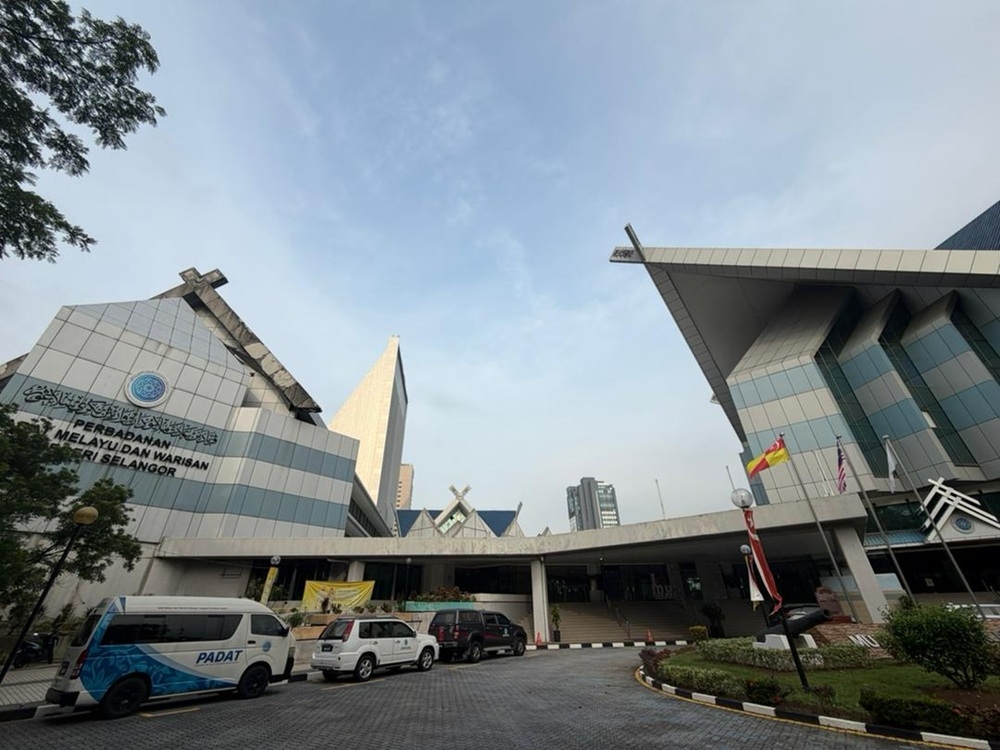
A view of the old Shah Alam Library. — Picture courtesy of Zuraini Md Ali and Nurul Alia Ahamad
Opened to the public on 18 April 1987 and officially inaugurated on March 15, 1988 by Sultan Salahuddin Abdul Aziz Shah, the building served not only as PPAS headquarters but as a vibrant intellectual hub. It could accommodate over 1,000 readers and housed approximately 250,000 volumes. For many, it was far more than a facility; it was a formative space. Students preparing for examinations, researchers pursuing ideas, and families introducing children to books all passed through its doors. Architecture, in this sense, became an enabler of intellectual life.
Today, its functions have moved on. The new state library, opened in 2011, reflects contemporary needs with expanded capacity and digital infrastructure. Yet the old building remains; no longer lined with bookshelves, but far from empty.
From a building conservation perspective, its significance lies not only in its past function but in its continued presence. It forms part of Shah Alam’s urban memory; a physical marker of the city’s evolution. Buildings like this challenge us to reconsider value: must heritage always be monumental, or can it reside in everyday structures that once shaped collective experience?
We recall passing by this building during visits to nearby institutions such as Selangor State Museum and Perbadanan Adat Melayu dan Warisan Negeri Selangor, or even the PKNS Complex. Each time, the building stood with a quiet dignity. In the absence of readers and the turning of pages, the architecture itself seemed to speak; of a time when knowledge was encountered through space as much as through text. It stood not as a relic, but as a witness.
Within conservation discourse, such buildings occupy an important threshold. They may not yet be formally recognised as heritage, but they carry layered meanings: architectural, social, and educational. The old Shah Alam library exemplifies this condition. Its Bugis-inspired design, its role in nurturing a reading culture, and its enduring presence in the cityscape position it as an understated yet invaluable asset.
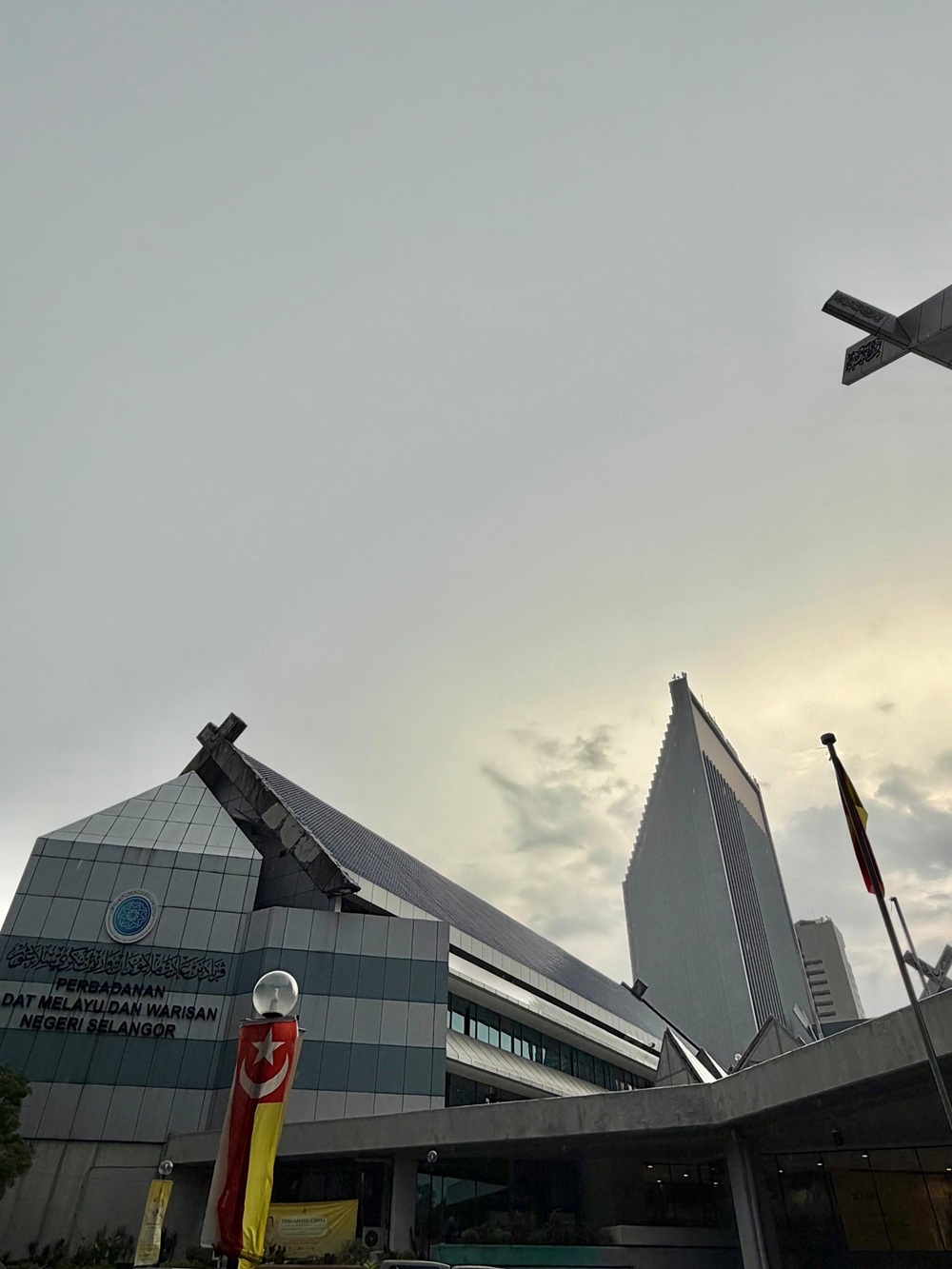
A view of the old Shah Alam Library. — Picture courtesy of Zuraini Md Ali and Nurul Alia Ahamad
As World Book Day reminds us of the power of reading, it also invites reflection on the environments that make reading possible. The old library teaches us that books and buildings are inseparable companions. While books preserve knowledge, architecture preserves the experience of seeking it.
In a rapidly developing city, where replacement often precedes reflection; the continued existence of this building offers an opportunity not merely to remember, but to revalue. For within its concrete walls and quiet corridors lies a story still unfolding: one of identity, memory, and the enduring relationship between place and knowledge.
It reminds us, in the spirit of the Malay wisdom “yang lama dikelek, yang baharu didukung,” that progress does not erase the past, but carries it forward: gently, meaningfully, and with purpose.
* Sr Dr. Zuraini Md Ali is an Associate Professor at the Building Surveying Department, Faculty of Built Environment, Universiti Malaya, Kuala Lumpur, and a Registered Conservator with the National Heritage Department, Malaysia, while Nurul Alia Ahamad is a Senior Lecturer at Taylor’s University’s School of Architecture, Building and Design, and a registered Architect with the Board of Architects Malaysia.
** This is the personal opinion of the writer or publication and does not necessarily represent the views of Malay Mail.