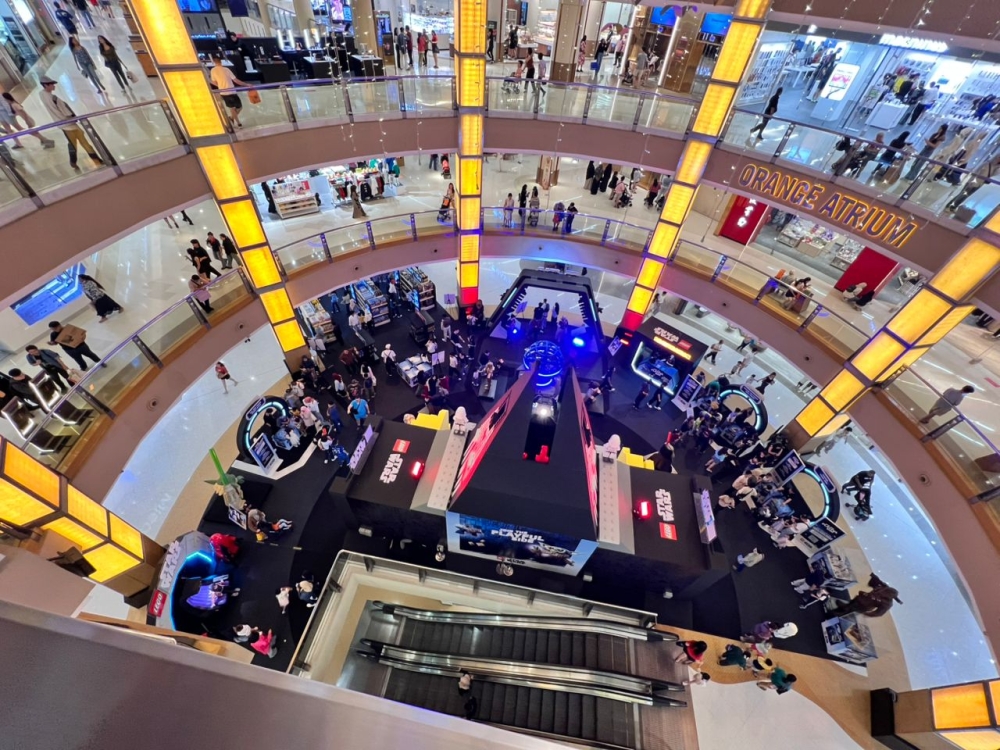
KUALA LUMPUR, May 8 — Parking bays at major malls across the Klang Valley continue filling up even on weekdays, with cars circling for spots.
Inside these malls, shoppers remain noticeable with queues visible outside popular restaurants with families gathered at eateries and cafés that stay lively well into the evening.
But beneath the business-as-usual facade, questions remain how and why the situation is such despite advice from the government for more prudent spending.
At malls such as Sunway Pyramid, Mid Valley Megamall and MyTown Cheras, the crowds have not disappeared.
However, some are saying it no longer feels like the free-spending retail boom seen in previous years.
Instead of impulse shopping, consumers are planning purchases around promotions, prioritising essentials and cutting back on discretionary spending.
“People are still coming out, but they think longer before buying.
“They browse, compare prices and then wait for sales,” said a retail worker in MyTown Cheras.
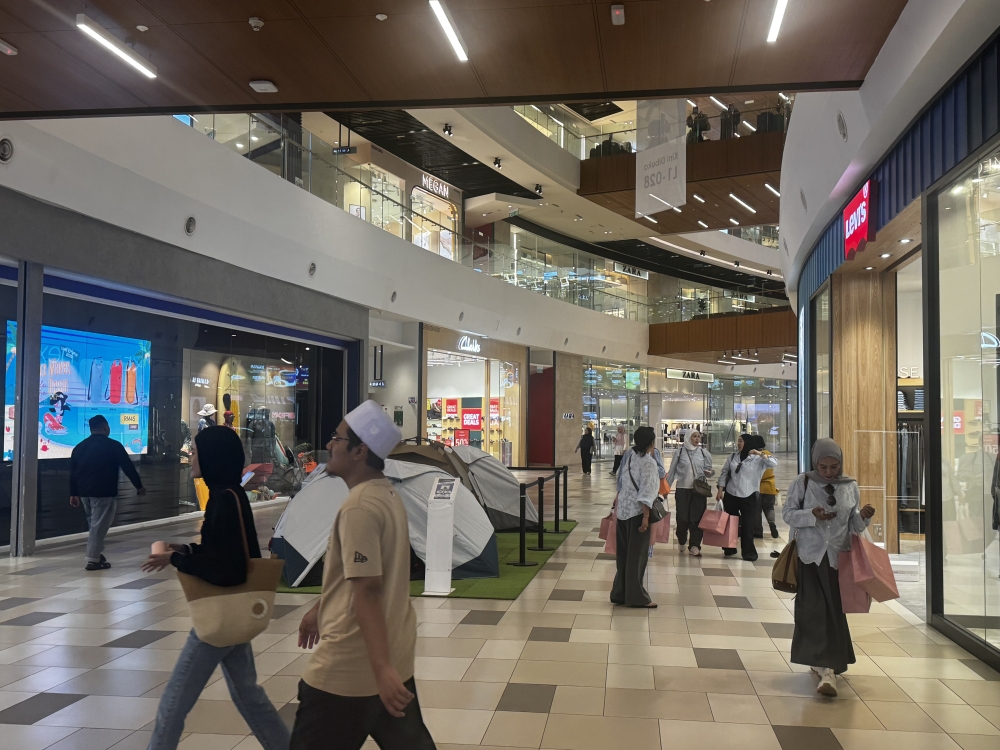
MyTown Cheras patrons on a Tuesday afternoon. — Picture by Soo Wern Jun
A space for everything
For many urban families, malls remain one of the few convenient places where everything is available in a single location.
Lee Lee Tham, 35, a mother of two, said visiting the mall has become a weekly outing that her family rarely skips.
“There is everything at the mall, so it’s the most convenient place for us to gather.
“It’s also the sense of familiarity — sometimes, my children just need a conducive space where they can roam about and still feel safe since it has become a part of their weekend routine.
“So we eat, shop and play all in one place,” Tham said.
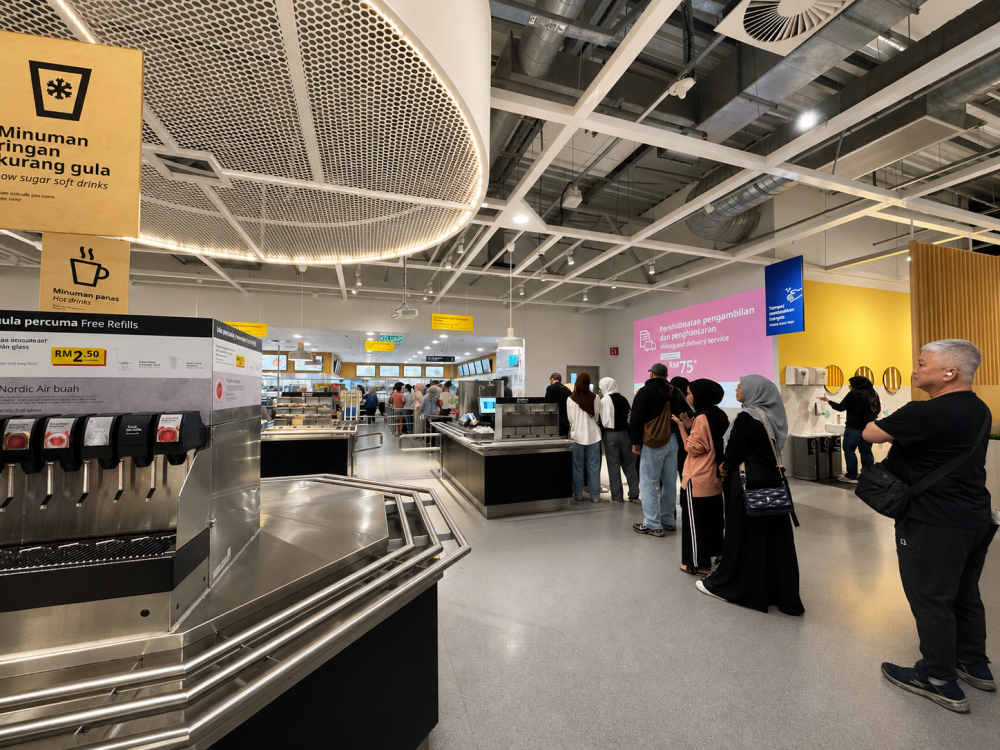
The lunch queue at MyTown Cheras on a weekday. — Picture by Soo Wern Jun
Saving time
For Ahmad Fauzi, 40, practicality matters more than cutting out mall visits entirely.
“The closest option for grocery shopping is still the mall.
“If I go any further, I have to brave traffic and that takes up too much time since I only have after work for shopping,” he said.
Some may ask why not head to the wet market, Fauzi said that supermarkets in malls still offer reasonably affordable groceries, and he can shop without having to wake up early on a weekend.
Weekend escapes
Others say eating out has become more intentional rather than frequent.
Anita Lee, 36, said her family cooks at home most of the week and reserves dining out for weekends.
“But my work place is located in the vicinity of a mall, it’s just more practical to grab a bite from the restaurants below than to drive out just for cheaper food — we still end up paying extra for fuel and parking anyway.
“For dinner, we cook at home five days a week, so during weekends we eat out just to take a break from the hectic week,” she said.
Aishah Aziz, 35, who works in the heart of Kuala Lumpur said it is a common sight that cafes and eateries are quiet on weekdays since everyone is at work except for touristy areas like Jalan Sultan and Jalan Panggong where there is a line all the time.
The crowd builds during lunch then it dies down before it picks up again for dinner.
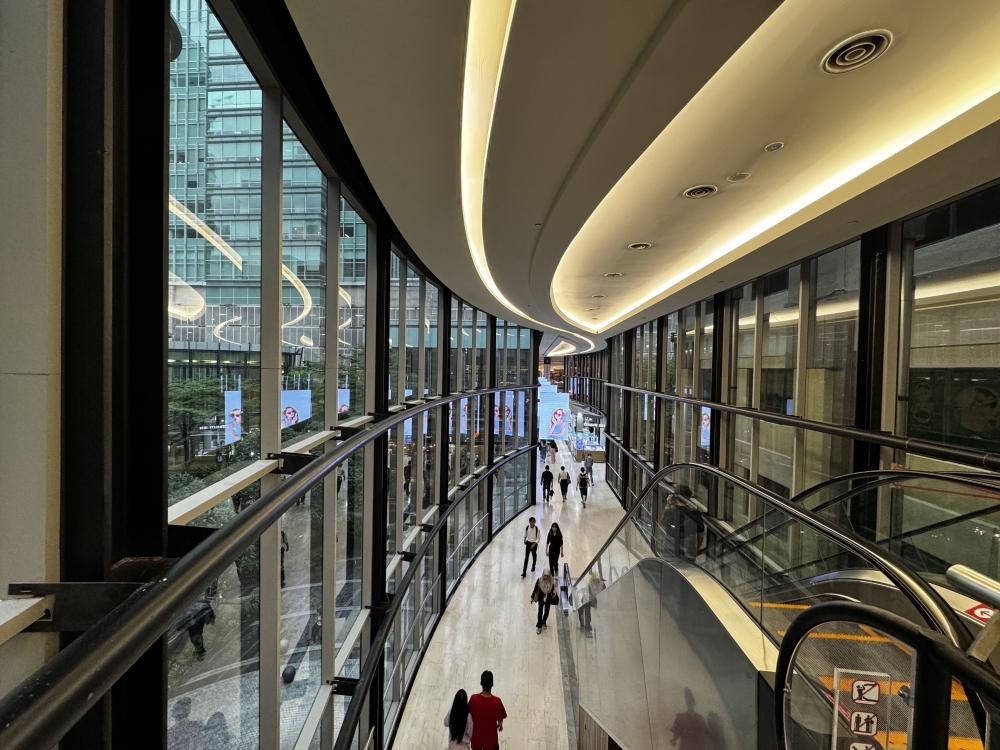
People walk along the indoor bridge connecting Mid Valley Megamall and The Gardens Mall. — Picture by Soo Wern Jun
“I do notice that there are fewer commuters on the trains but perhaps it’s due to the work-from-home order that reduced the number of civil servants in the area.
“But for most eateries here, it’s business as usual, and I look at this as a ‘luxury’ for me, since I get to eat at popular spots during the week days where there isn’t a queue,” she said jokingly.
Steadily growing with anticipation
According to Sunway Malls, its malls nationwide recorded a six per cent year-on-year growth in sales performance for the first quarter of 2026 despite headwinds from the Middle East conflict.
The growth was largely driven by uptick from fashion at 11.2 per cent, home and living at 7.6 per cent, supermarkets at 8.9 per cent, food and beverage at 6.2 per cent and jewellery, which recorded double-digit growth of 23.4 per cent.

Sunway Malls group managing director HC Chan said most retail sub-sectors performed ‘remarkably’ due to sustained demand from the longer festive period, with Chinese New Year falling in February and Hari Raya in March. — File picture by Miera Zulyana
HC Chan, group managing director of Sunway Malls, said most retail sub-sectors performed “remarkably” due to sustained demand from the longer festive period, with Chinese New Year falling in February and Hari Raya in March.
He said petrol and diesel subsidies had most likely helped insulate consumers from the full effects of the Middle East conflict.
“The situation in the Middle East, however, has created uneasiness and affected travel from that region as travellers adopt a cautious stance.
“The Asian region’s travel has somewhat remained steady with no noticeable impact yet on tourist arrivals from Asian regions,” Chan said.
Moving into the second quarter, Chan said the group foresees more cautious consumer behaviour, with shoppers focusing increasingly on essentials and value-driven purchases.
“We are cautiously optimistic to forecast 2Q 2026, that will see a three per cent growth largely due to our diversification of tenant mix, continued strong performance from the northern region and resilient performance from our central and southern regions respectively,” he said.
Familiarity and convenience
Consumer behaviour, however, appears less about completely pulling back and more about deciding where spending still feels worthwhile.
How Chern Chuen, 30, said although food prices have generally risen, the quality at the hawker stalls he frequently visits has remained consistent.
“I still don’t mind eating out,” he said.
“I can’t really describe it, but food tastes different at the hawker compared to how it’s prepared at home.”
He said there is also a sense of familiarity that keeps customers returning to places they already know.
At the same time, he believes competition within the food industry has intensified significantly.
“It’s really survival of the fittest now,” he said.
“Restaurants are becoming more competitive. Even mamak stalls are promoting their food on delivery platforms.”
How said consumers today are becoming more selective about what they are willing to spend on, usually choosing places that they are comfortable with and perceive as worthwhile.
He pointed to a fish and chips café near his home that remains packed most of the time despite prices starting from RM19.90 a set.
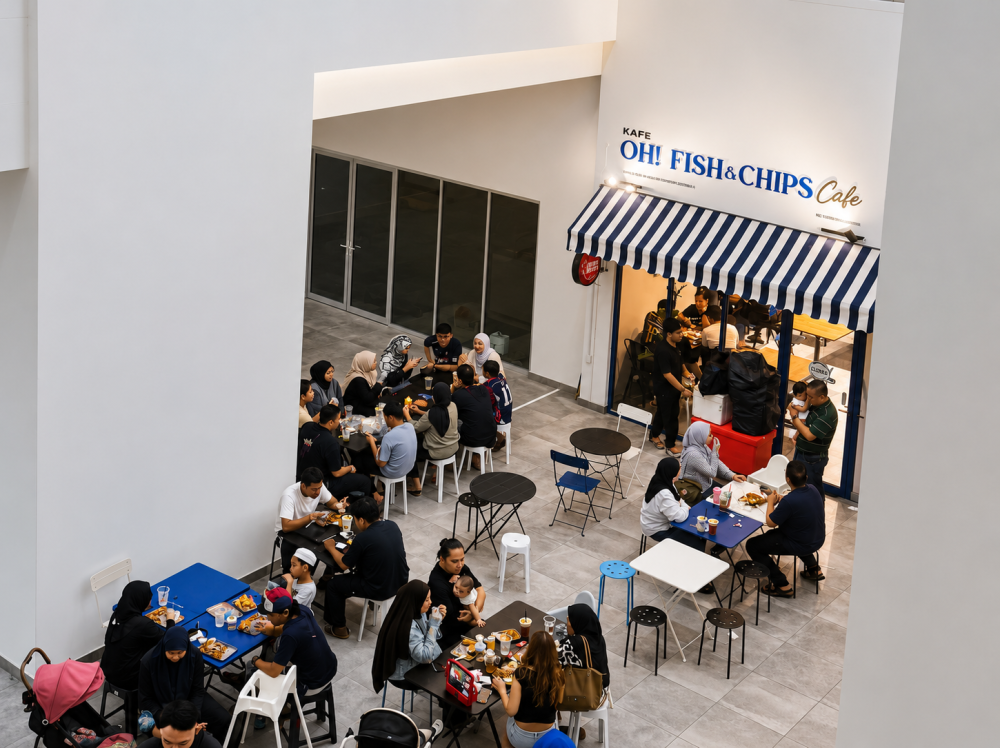
Diners at a local cafe that serves up fish and chips. — Picture by Soo Wern Jun
“Fish and chips may not be the price of mixed rice, but if you order a fish dish at a regular restaurant, it could easily cost double that price,” How said.
Amalina Razak, 31, agreeing with How, said a plate of nasi campur or nasi kandar today could go up to RM17, and that is dining outdoors without air-conditioning.
“So I add a few ringgit on that bill, I can eat without having to inhale dust from the passing cars.
“I’ve also noticed that more eateries have meal promotions to keep the prices affordable, some have very aggressive delivery deals, to keep up with the times.
“For me, I choose to spend on convenience because I don’t have much time in a day to prepare two meals, eating out is still the best option for me,” she said.