

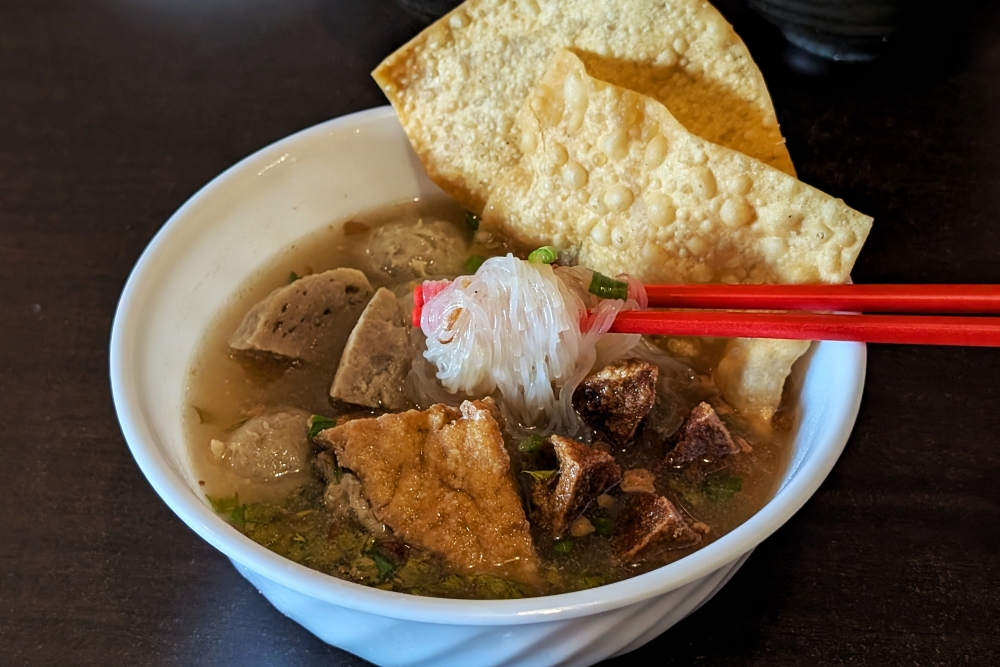
PETALING JAYA, May 8 — As a child, my introduction to mie bakso, the Indonesian dish of noodles and beef balls, was a less-than-ideal one.
To be fair, the odds were stacked against it. I was one of those kids who didn’t enjoy any kind of edible ball: fish, chicken, pork or beef, and I had not yet learned how to appreciate the strong, bitter flavour of Chinese celery, which is included to balance out the flavour of the broth.
But perhaps the biggest obstacle was the myopic view that, because this is a dish of Chinese origin, why not just eat the original?
After all, it is readily available here, and pork is no concern to me. In fact, to some, pork seems to be the point, as if a Chinese noodle dish might somehow be handicapped without it.
Maybe it’s more forgivable in a seven-year-old Chinese boy, but it is hardly a view confined to the young and naive.
It stems from a lack of curiosity about what exists beyond one’s immediate frame of reference, something that can harden like a callus over time.
But bakso is one of the most widely consumed street foods in a country of over 280 million people.
It may be derived from a Chinese noodle and meatball dish, but it has evolved into its own thing, with endless variations. To lack the curiosity to try it would be missing out, and I couldn’t have that.
The popularity of Indonesian food in Malaysia means it is possible to sample it in restaurants, stalls and hole-in-the-wall establishments around Kuala Lumpur, especially in enclaves like Chow Kit.
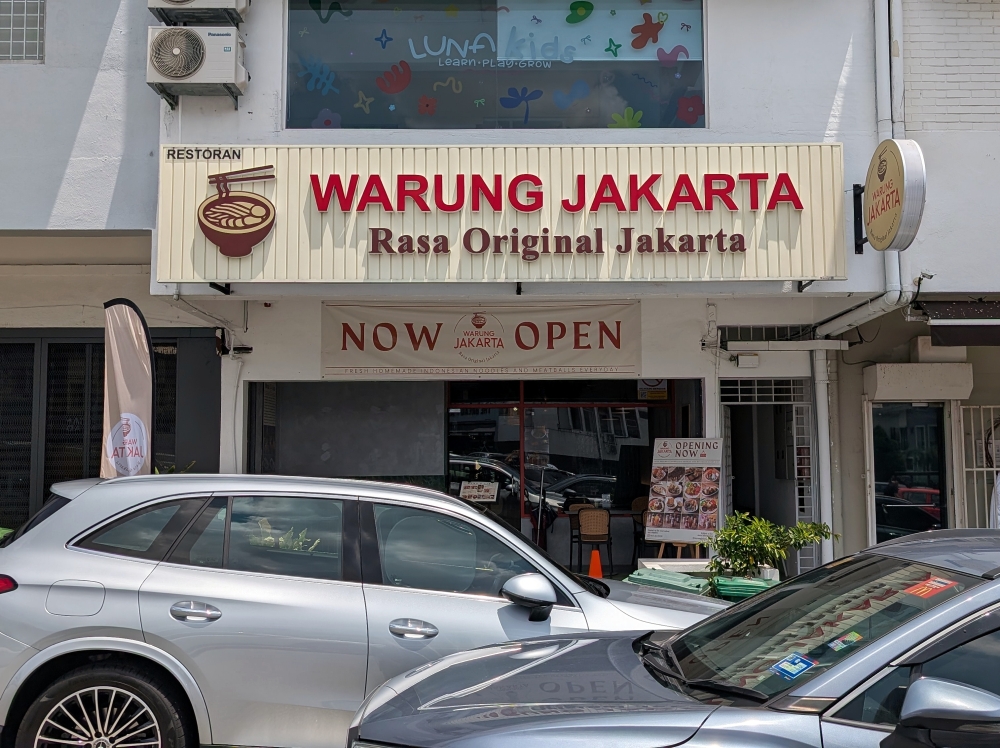
Warung Jakarta has taken over a space previously held by a cafe. — Picture by Ethan Lau
Further out in the suburbs of Petaling Jaya, Warung Jakarta is one such place.
After the first location opened in KL Central Walk on Jalan P. Ramlee two years ago, the second location in SS4 opened in January this year, taking over the lot from a Kuching-based cafe that had expanded over here.
The menu focuses on bakso and mie ayam, but also includes other classic Indonesian dishes like soto betawi and pecel lele.
For RM16.90, the Bakso Sapi Campur comes with four types of bakso sapi, or beef ball: halus, the fine variant that’s standard; urat, which is made with tendons and has a springy texture; goreng, which is fried; and tahu isi bakso, a piece of tofu stuffed with beef ball mixture, similar to yong tau foo.
It is a display of the different textures a manipulated ball of meat can become: some bouncy, some chewy, some spongy.
The broth is light, sweetened by fried shallots, and by now, I’ve learned not just to tolerate but to gladly embrace the bitter edge of Chinese celery.
Up there with bakso in the pantheon of ubiquitous Chinese Indonesian dishes is mie ayam, whose pale colour might remind some of Hakka mee.
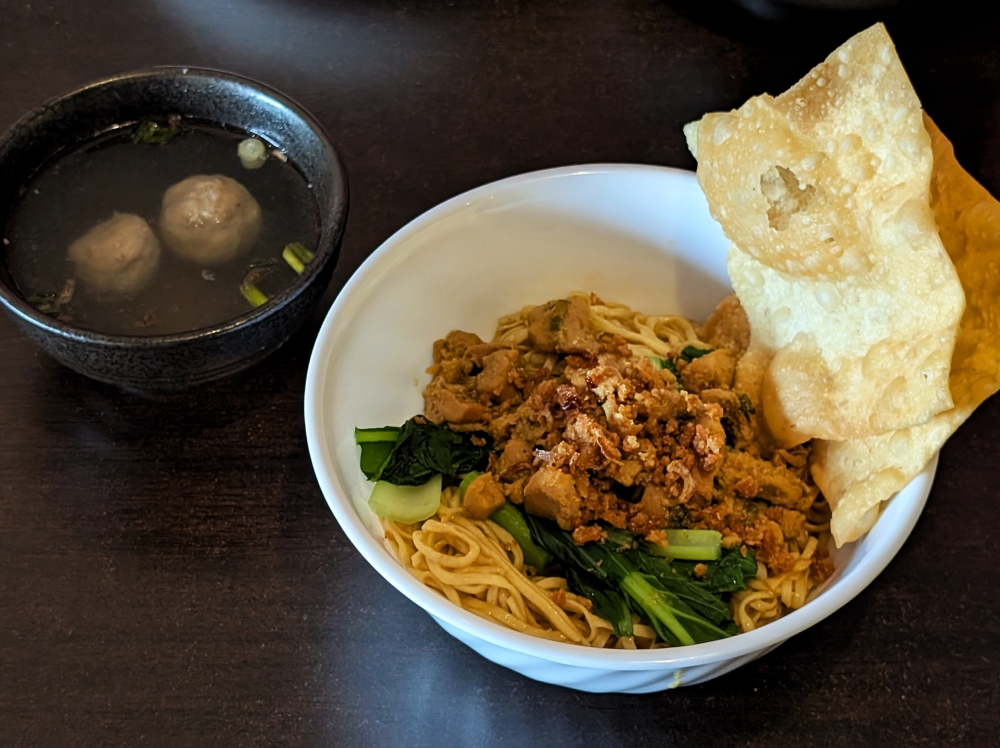
‘Mie Ayam Bakso’ comes with two pieces of deep-fried beancurd skin, noodles topped with chicken mince and beef balls in soup. — Picture by Ethan Lau
But it bears little resemblance. The Mie Ayam Bakso (RM16.90) here comes with mild-tasting chicken mince that has a slightly mealy texture due to its leanness, but the springy noodles are well seasoned.
Much bolder and meatier is the Nasi Soto Betawi (RM28.90). Soto betawi is the Jakarta variant of the classic Indonesian soup and traditionally contains beef offal in a creamy milk or coconut milk soup with tomatoes and potatoes.
Here, perhaps to cater to the decidedly more middle-class tastes of the neighbourhood, large hunks of tender beef sit in a slightly tangy yet comforting broth.
Bakso may have arrived in Indonesia by way of Chinese migration, but trying to measure it against some imagined original misses the point entirely.
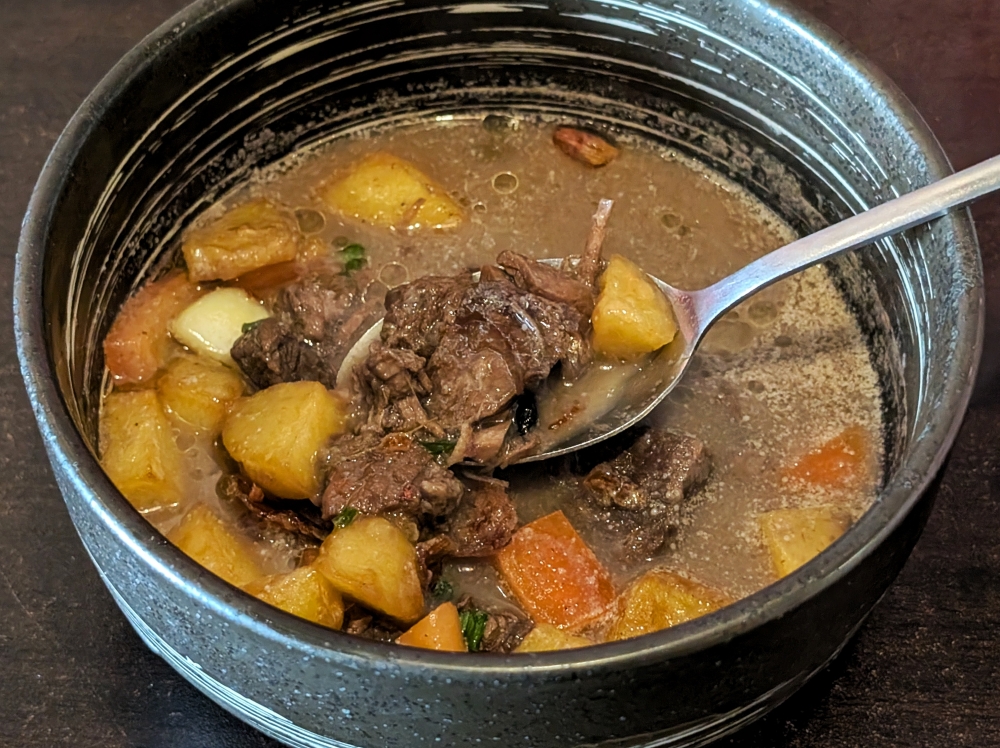
‘Soto Betawi’ here features tender hunks of beef in the broth. — Picture by Ethan Lau
Plenty of dishes now considered staples of Malaysian Chinese cooking have themselves changed considerably from whatever version first arrived on these shores, shaped by local tastes, available ingredients and, in many cases, the absence of pork.
Bakso feels no different. What survives is not some fixed idea of authenticity, but the instinct to adapt, which is often what keeps a dish alive in the first place.
It may have taken me longer than it should have to appreciate that, but… better late than never.
Warung Jakarta
35, Jalan SS 4C/5,
Taman Rasa Sayang,
Petaling Jaya, Selangor.
Open daily, 10am-10pm
Tel: 016-404 7058
Instagram: @warungjakarta.kl
* This is an independent review where the writer paid for the meal.
* Follow us on Instagram @eatdrinkmm for more food gems.
* Follow Ethan Lau on Instagram @eatenlau for more musings on food and occasionally self-deprecating humour.
