MAY 13 — The Human Rights Commission of Malaysia (Suhakam) calls on all Malaysians to uphold the values of mutual respect, dignity, and inclusivity in preserving national unity and social harmony. Malaysia’s diversity has long been the foundation of the nation’s strength. Our multicultural and multireligious society reflects the principles enshrined in the Federal Constitution, including the guarantee of equality and non-discrimination under Article 8 irrespective of religion, race, descent, or background, as well the protection of freedom of expression and human dignity for all persons. However, in recent years, public discourse has increasingly been marked by racial hostility, inflammatory rhetoric, and divisive narratives, particularly on social media and within political spaces.
In conjunction with the remembrance of the tragic events of 13 May 1969, Suhakam emphasises that the lessons of history should guide the nation towards greater understanding and unity, rather than fear, division, or political manipulation. Historical events must never be used to justify intolerance, silence legitimate discourse, or fuel racial animosity.
Freedom of expression is a fundamental human right guaranteed under Article 10 of the Federal Constitution and recognised under international human rights standards. However, this right also carries responsibilities. Expressions that incite discrimination, hostility, or violence against individuals or groups based on race, religion, ethnicity, or other protected characteristics undermine social cohesion and threaten democratic values.
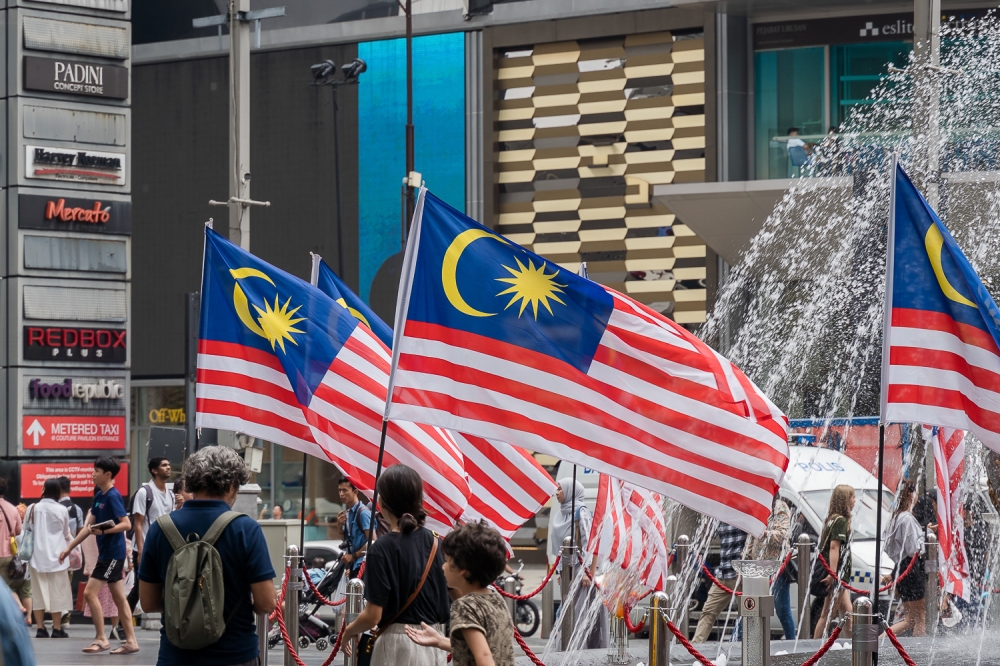
National unity cannot be achieved solely through slogans or enforcement measures, but through sustained commitment to justice, equality, and respect for diversity. — Picture by Raymond Manuel
Suhakam reiterates that efforts to address hate speech and racism must be grounded in human rights principles, including legality, necessity, proportionality, and accountability. Any measures taken by authorities should clearly distinguish between legitimate criticism, public debate, and advocacy on one hand, and genuine incitement to violence or discrimination on the other.
At the same time, Suhakam stresses that elected representatives and political leaders bear a heightened responsibility to set a positive example. Members of Parliament, as leaders entrusted with public confidence, should promote respectful engagement, reject racial or religious provocation, and refrain from making statements that may deepen mistrust and polarisation within society. Political differences must never come at the expense of national unity or human dignity.
Public institutions, political parties, civil society organisations, media practitioners, educators, and community leaders all share a collective responsibility to foster an environment that encourages constructive dialogue, empathy, and understanding across communities. National unity cannot be achieved solely through slogans or enforcement measures, but through sustained commitment to justice, equality, and respect for diversity.
Suhakamalso encourages the Government to strengthen human rights education, intercultural dialogue initiatives, and public awareness programmes aimed at combating racism, xenophobia, and prejudice in all forms. Building an inclusive society requires long-term efforts that address misinformation, stereotypes, and hate-based narratives before they escalate into discrimination or violence. National unity must be built on the recognition that every individual, regardless of race, religion, ethnicity, or background, is entitled to equal dignity, protection, and respect.
* Media statement by Suhakam (Human Rights Commission of Malaysia) on May 13, 2026.
** This is the personal opinion of the writer or publication and does not necessarily represent the views of Malay Mail.