APRIL 29 — Let’s talk about the most powerful tool you’ve never seen: the national budget. In most developing economies, it’s often treated as a state secret, a technical document debated behind closed doors. But a groundbreaking new synthesis of global research, led by Sazzad Islam, reveals a seismic shift in opinion. The study, “A Systematic Review of Public Budgeting Strategies in Developing Economies,” isn’t just academic. It’s a blueprint for a revolution in governance, proving that how money is planned and spent is the ultimate test of a government’s integrity and effectiveness. Are we there yet?
For decades, the story has been grim. Opaque budgeting fuels a vicious cycle: corruption siphons funds, misaligned spending widens inequality, and public trust evaporates. Citizens see crumbling schools and ghost hospitals while officials drive luxury cars. This isn’t just inefficiency; it’s a direct attack on development and democracy. But Islam’s review uncovers a potent antidote spreading across the Global South: strategic transparency. This isn’t about just dumping complex PDFs online. It’s about a fundamental redesign of the budgeting process with two powerful engines.
First, participatory budgeting. The research shows that when citizens are given real seats at the table — through town halls, citizen assemblies, and digital platforms — magic happens. Spending priorities shift from political vanity projects to tangible community needs: clean water, rural clinics, feeder roads. Porto Alegre, Brazil, pioneered this, but the model is now taking root from Kenya to Indonesia. It transforms the budget from an imposition into a social contract, building legitimacy and reducing conflict. We have to start looking at this.
Second, performance-based budgeting. This strategy moves beyond simply accounting for where money went to demanding proof of what it achieved. Instead of funding a “health department,” you fund “reduce maternal mortality by X per cent.” This data-driven approach, supported by independent audit bodies, creates an unbreakable chain of accountability. It empowers reformers within government to cut waste and rewards effective programs, making every dollar a measured investment in the public good.
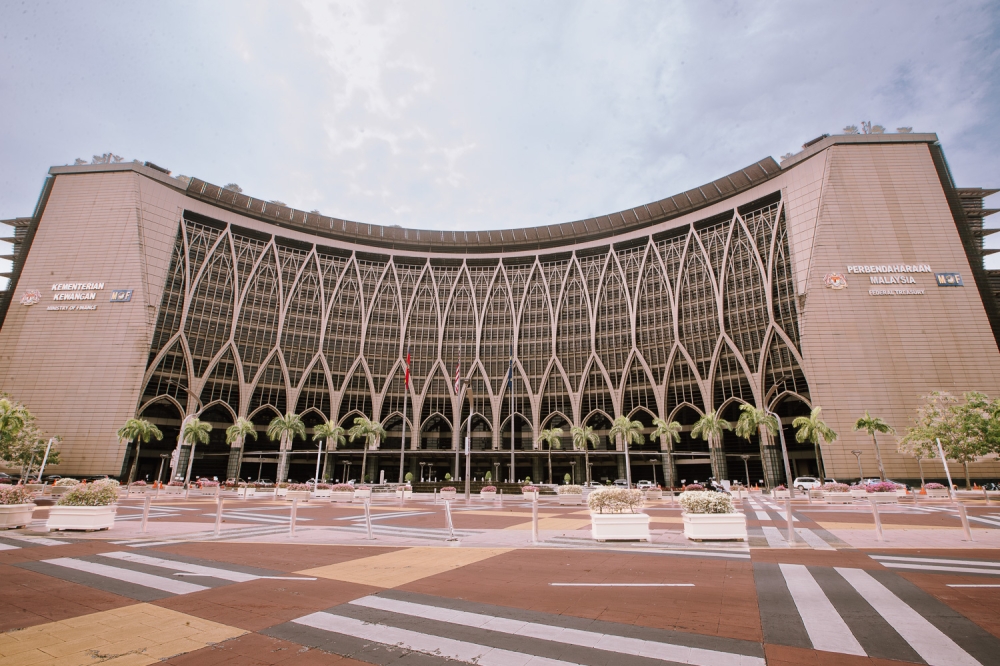
The Ministry of Finance in Putrajaya. The author argues that transparent, participatory, and performance-based budgeting is essential for improving governance, reducing corruption, and strengthening public trust, and that Malaysia must reform its budget process to ensure accountability and equitable development. — Picture by Raymond Manuel
The findings are clear: these tools are not Western impositions. They are homegrown, context-sensitive solutions that share a common thread — they shine a light. Transparency disarms corrupt networks. Participation builds civic muscle. Performance data arms citizens with facts.
Yet the greatest barrier isn’t technical; it’s political. These strategies redistribute power from closed, vested interests to the public. Their adoption requires courageous leadership and sustained pressure from civil society and media. International partners must move beyond demanding austerity to actively funding and championing these governance innovations.
The message from this comprehensive review is urgent and optimistic. The path to stability and equitable growth in developing economies doesn’t start with a new loan or a resource discovery. It starts with a ledger. By fighting for a budget that is open, inclusive, and results-focused, we aren’t just tweaking fiscal policy.
We are building nations where governments are truly accountable to the people they serve. The budget, it turns out, is the most important political document in the world. It’s time we all started reading it. It is time for all countries to take heed of the analysis generated by the review.
Many call for Malaysia to also reform the budget process if we are to truly achieve sustainability and equitable growth. On the way forward, first, Malaysia must institute real parliamentary reform. This means a powerful, bi-partisan Public Accounts Committee (PAC), specialised budget committees, and sufficient time and resources for MPs to scrutinise estimates. The budget must be pulled apart in daylight.
Second, we need a transparent and participatory pre-budget process. Public consultations, green and white papers, and independent impact assessments should be mandated, moving the process from the closed doors of the Treasury and political warlords into the public domain.
Third, and most crucially, the country must begin a painful but necessary conversation about moving from a patronage-based to a needs-based and performance-based allocation system. This does not mean abandoning affirmative action, but rather subjecting it to the same tests of effectiveness, efficiency, and equity that any major public expenditure should face.
* Professor Datuk Ahmad Ibrahim is affiliated with the Tan Sri Omar Centre for STI Policy Studies at UCSI University and is an Adjunct Professor at the Ungku Aziz Centre for Development Studies, Universiti Malaya. He can be reached at [email protected]
** This is the personal opinion of the writer or publication and does not necessarily represent the views of Malay Mail.